One plate per bridge, one plate per arc
Where the Visual Book gives the systemic view at a glance — through 104 plates plus the two atlas plates B4 and B5 — this appendix lets the student dig in. Twenty-five section bridges and thirty-two concept arcs, each on its own plate.
How to use this appendix
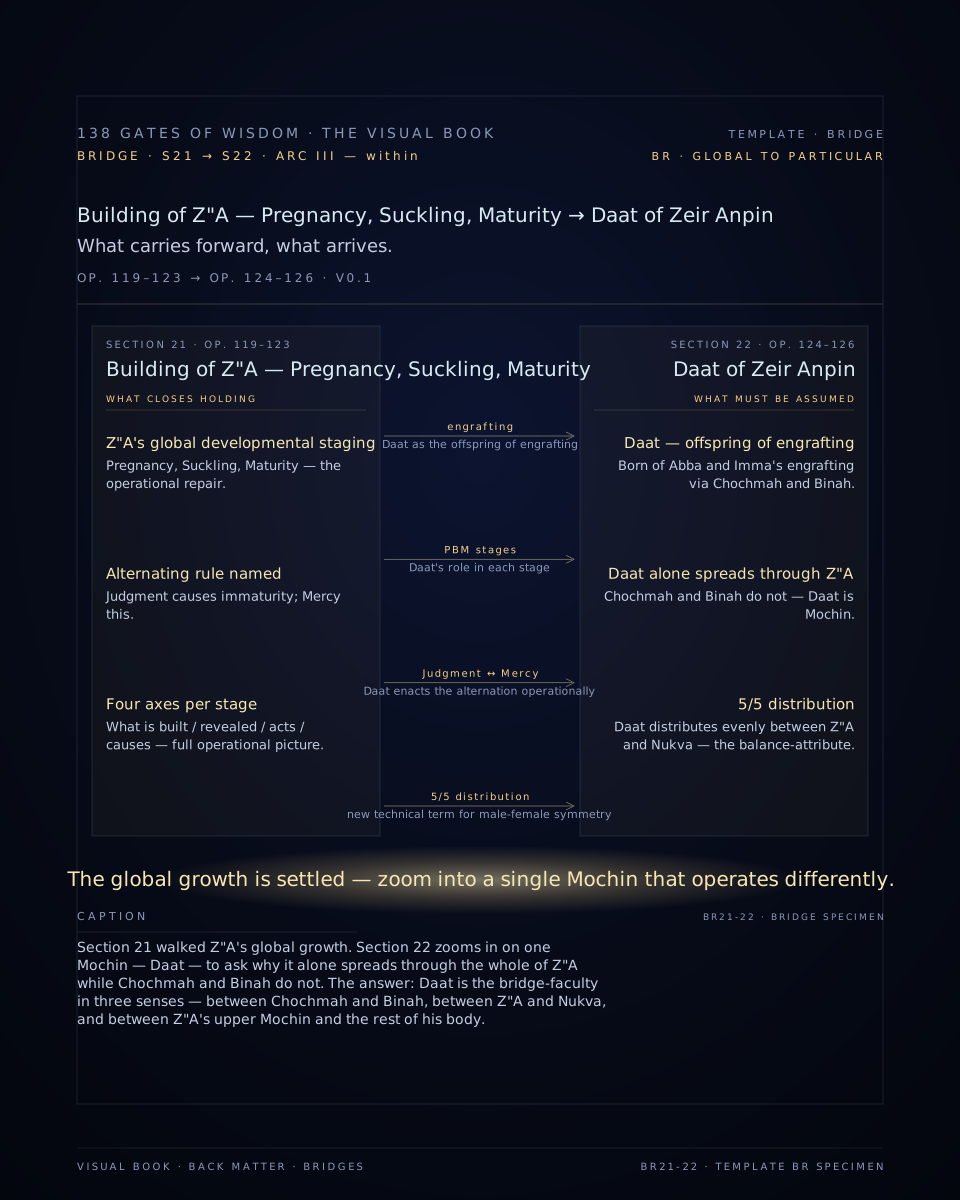
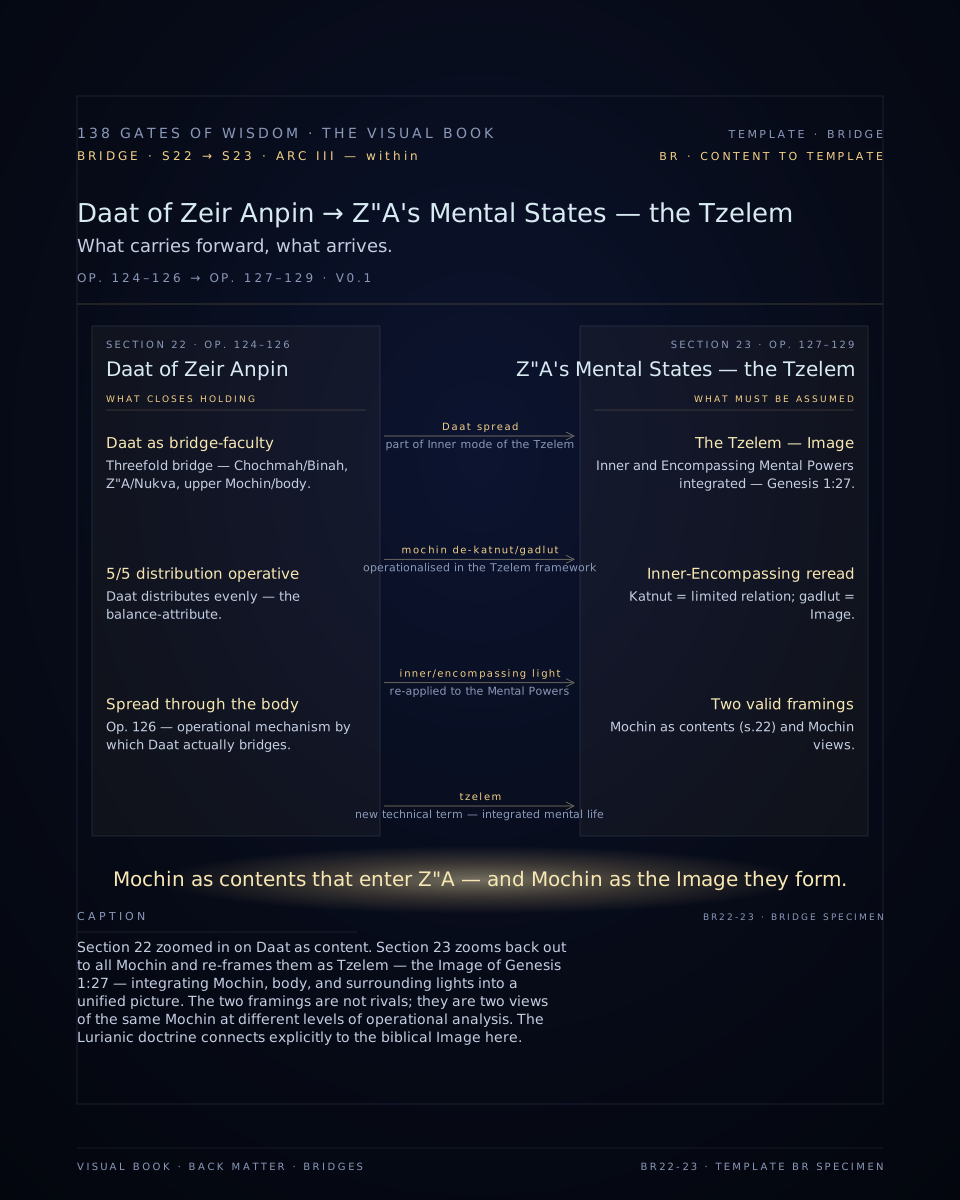
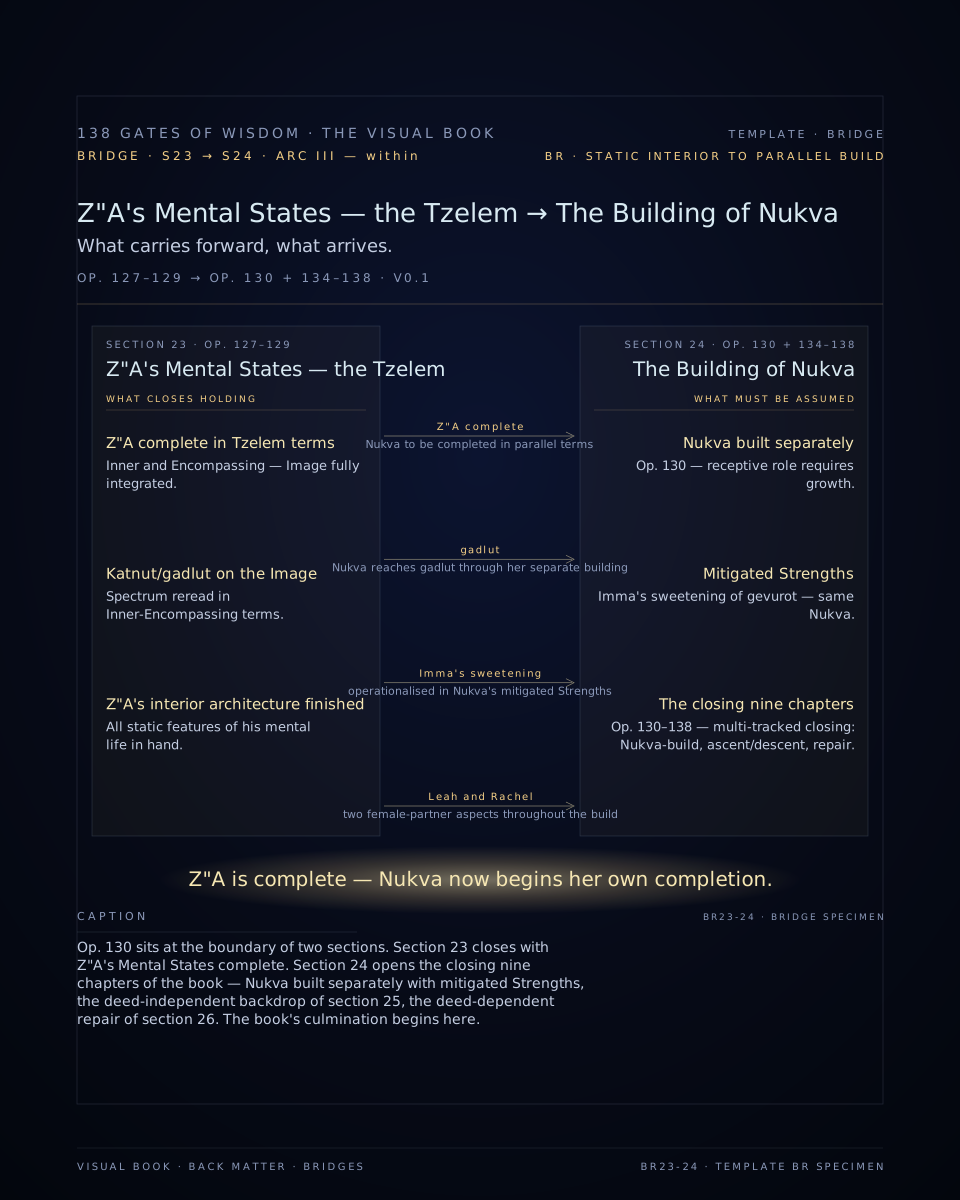
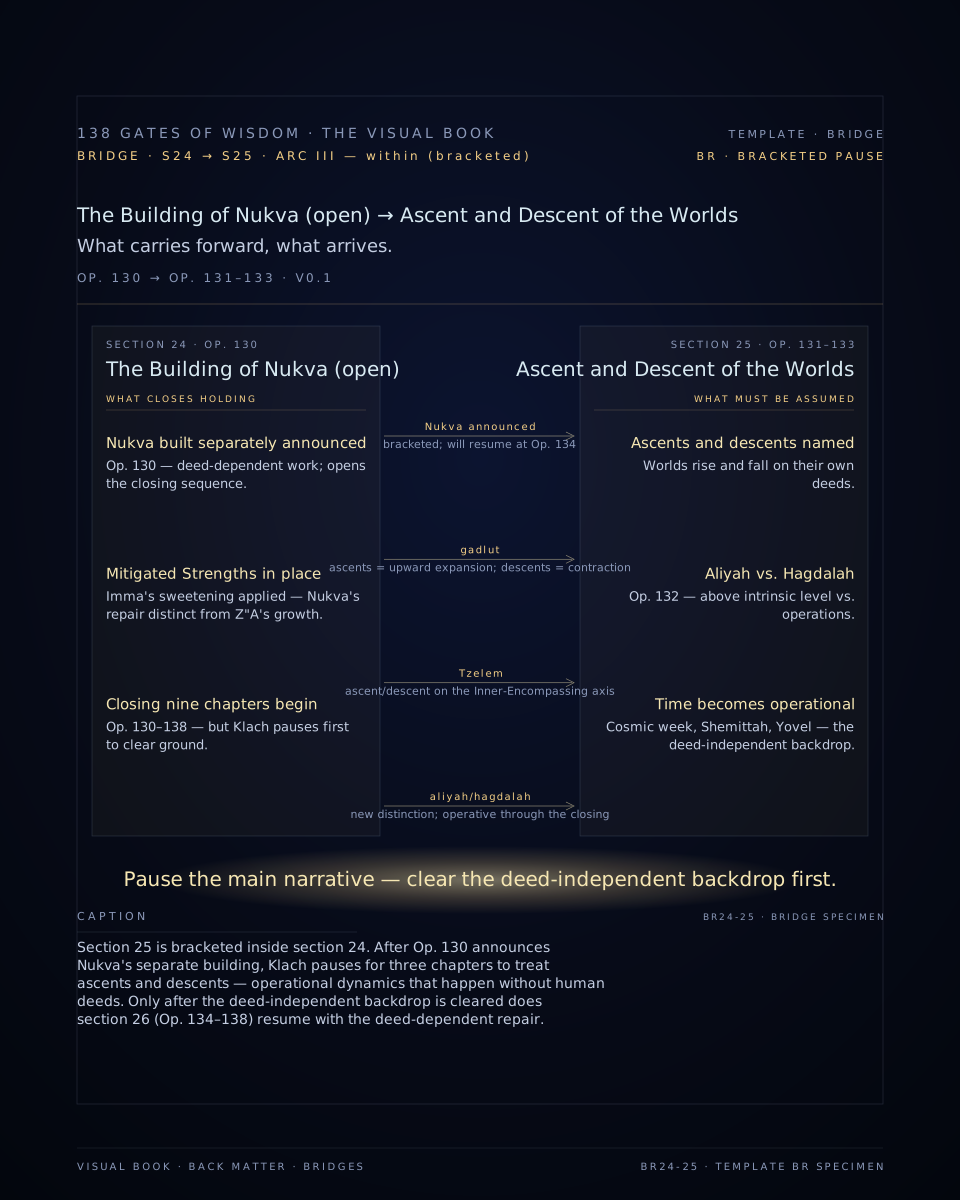
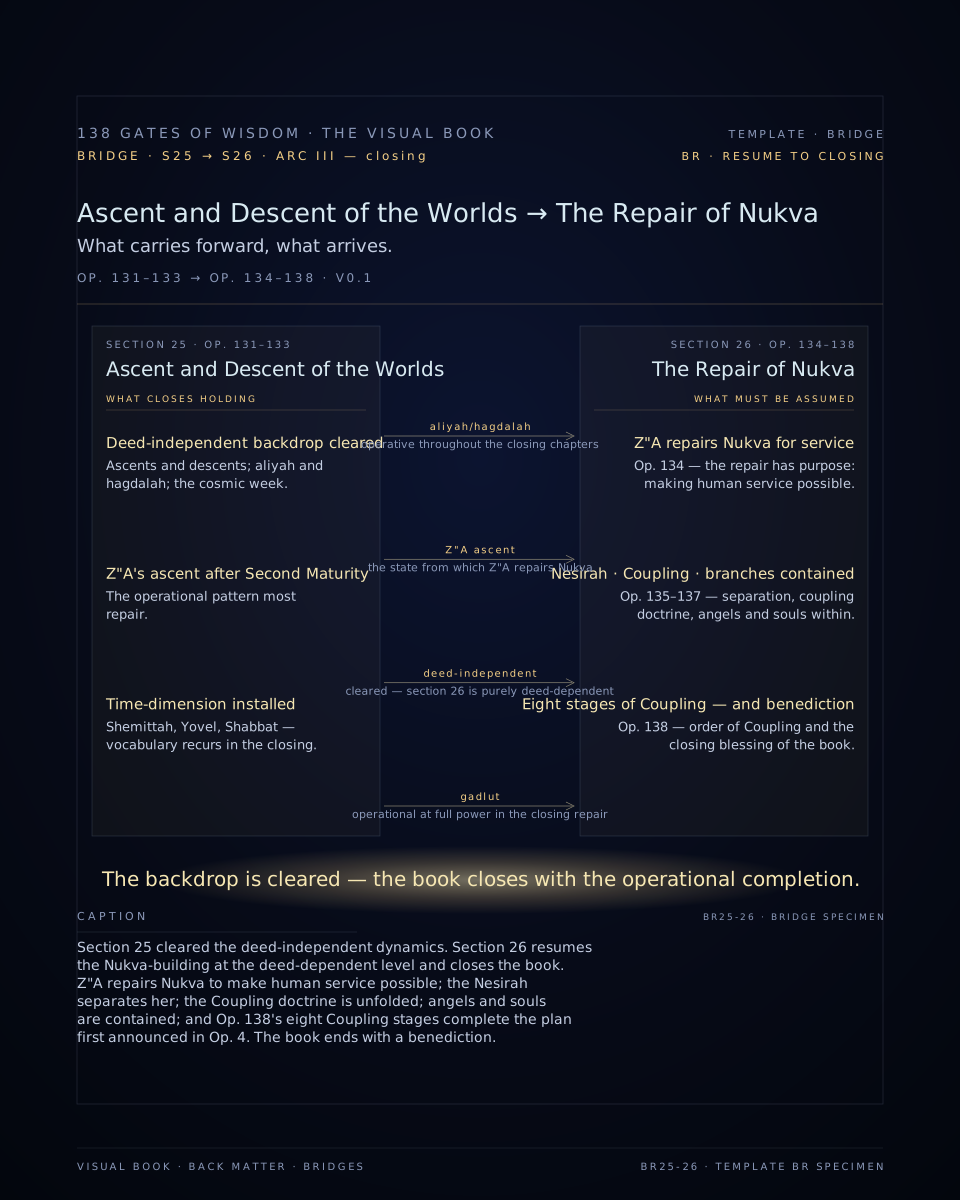
If a transition in the main book felt opaque on first read — if you got to Op. 36 and weren't sure how the breaking emerged from Adam Kadmon, or got to Op. 110 and weren't sure why Abba and Imma suddenly appeared as a Partzuf-pair — find the bridge that covers that crossing. Each bridge plate names what the previous section closes holding, what the next section needs to assume, and the four or five concept slugs that travel from one to the other.
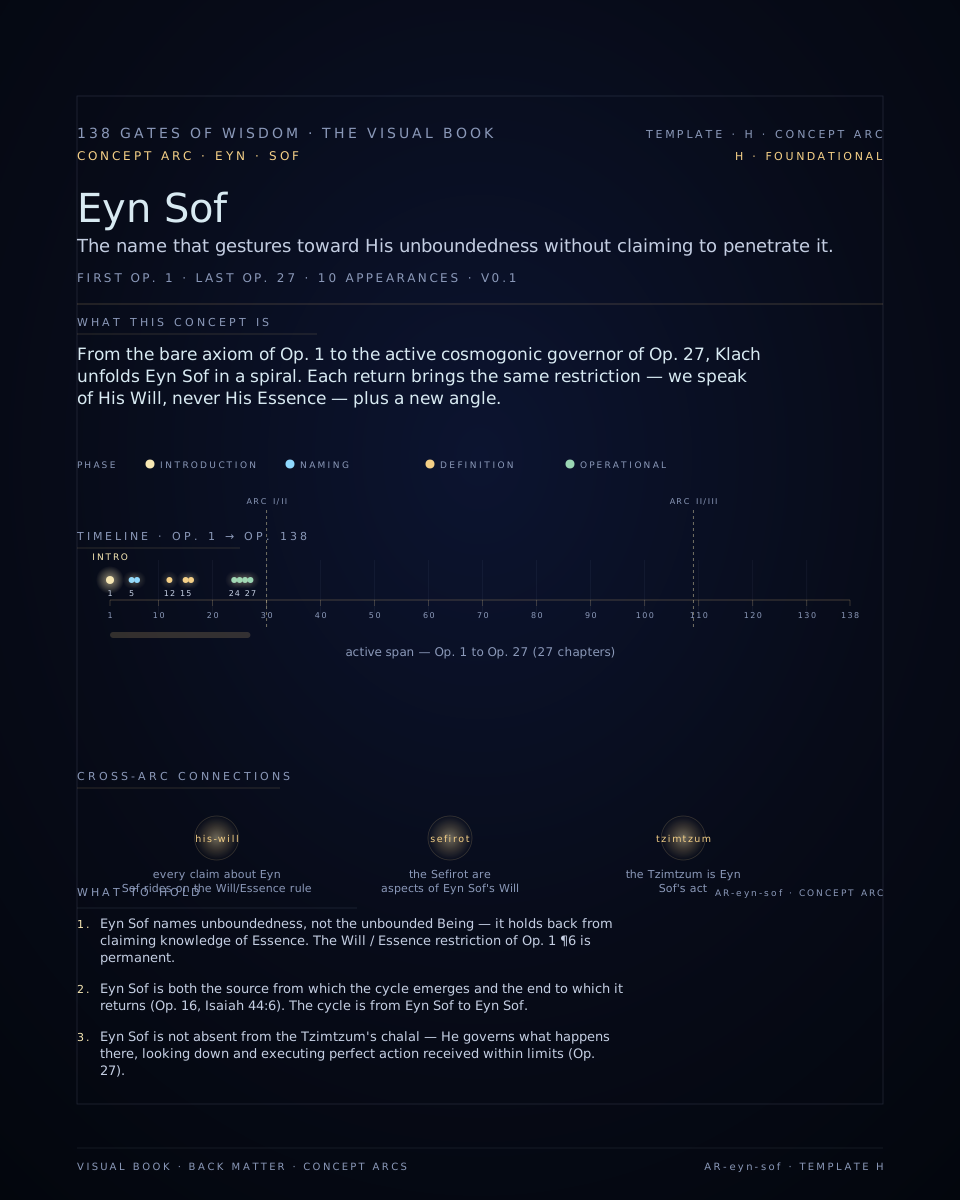
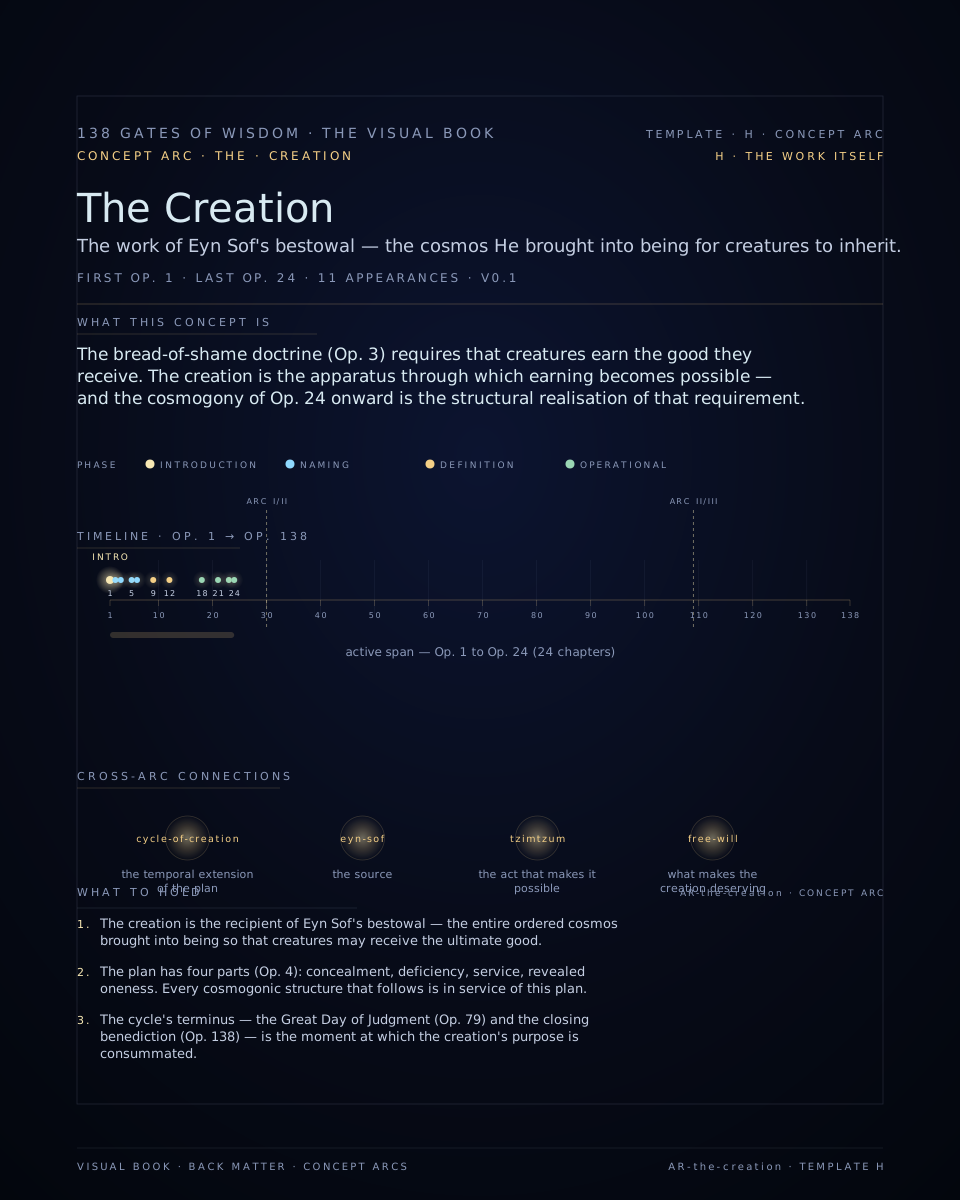
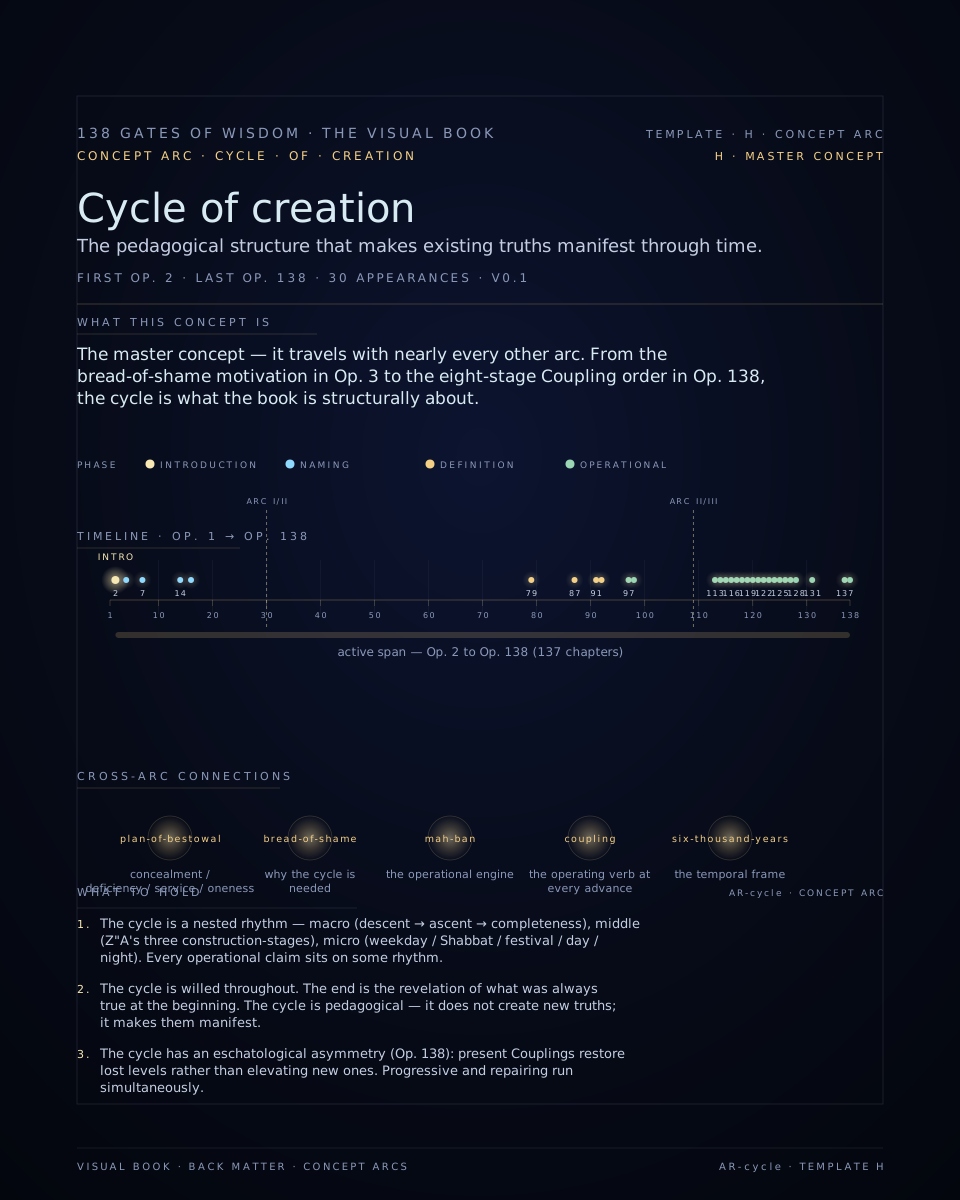
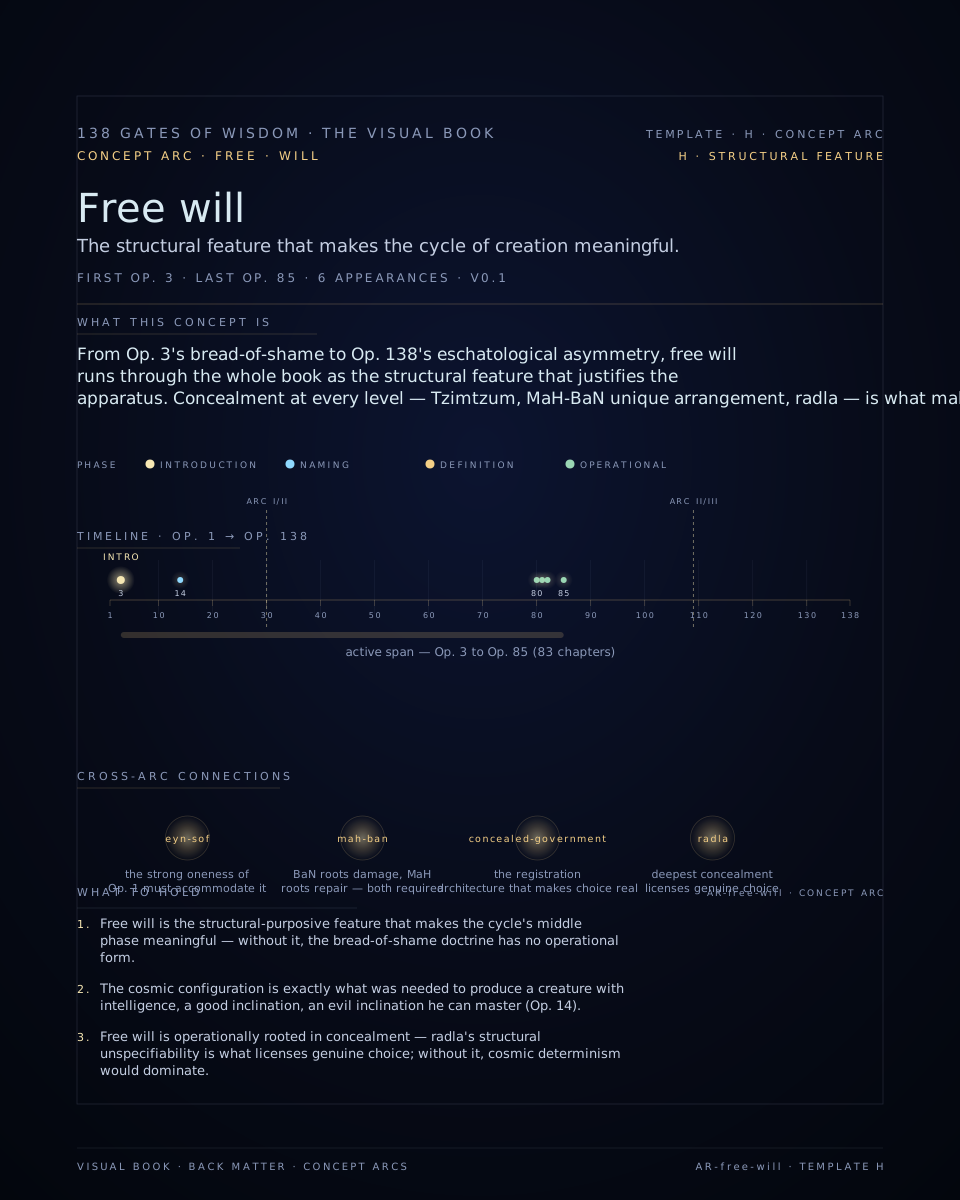
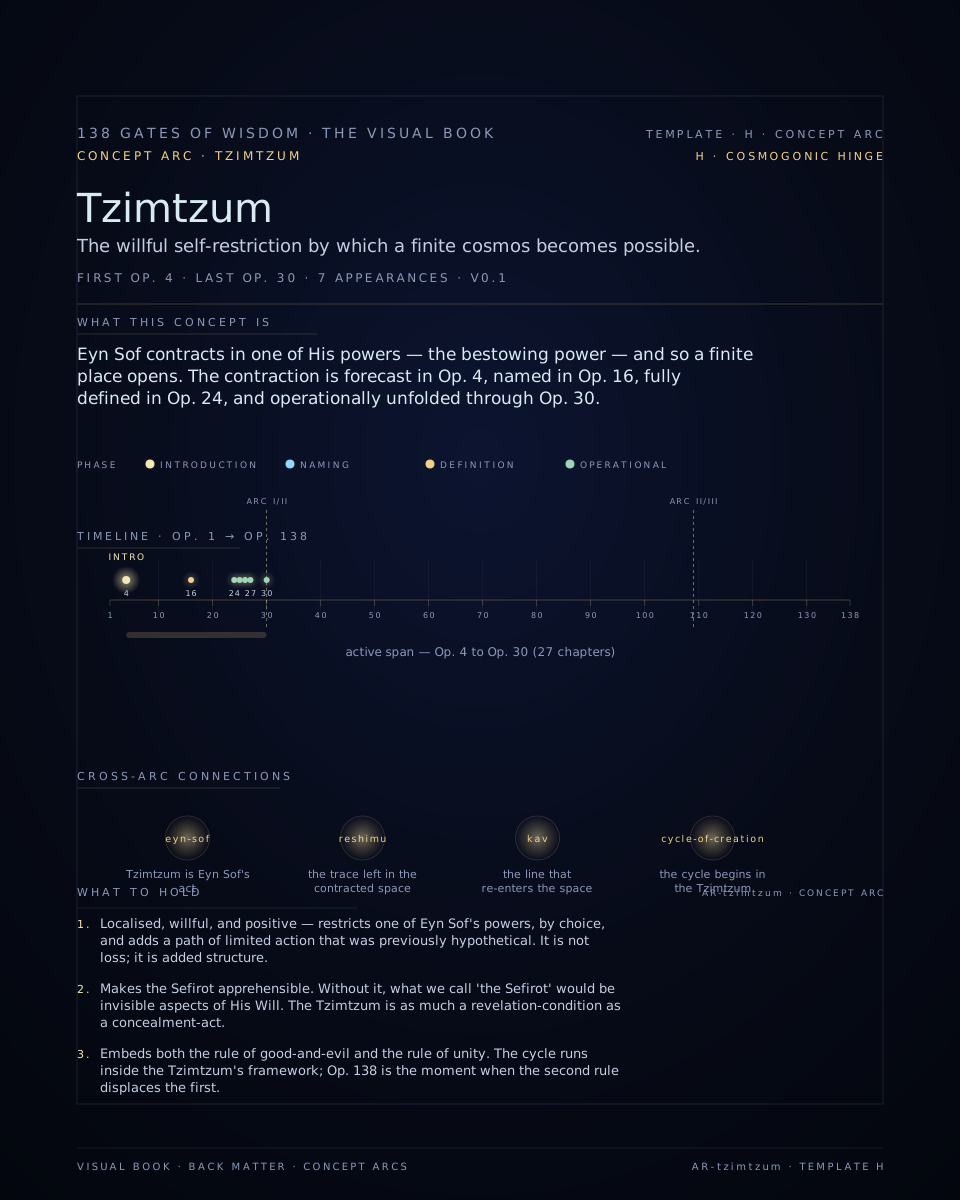
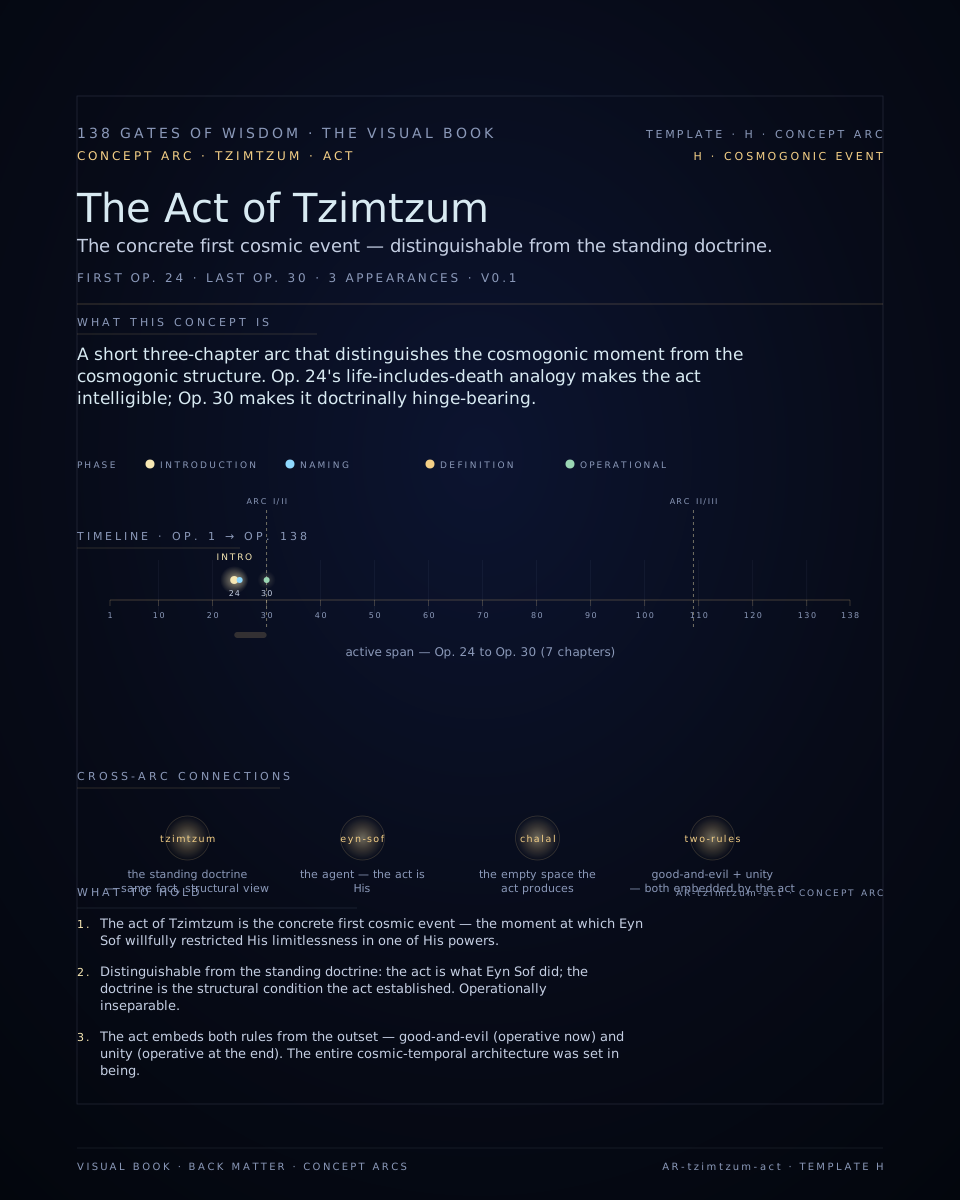
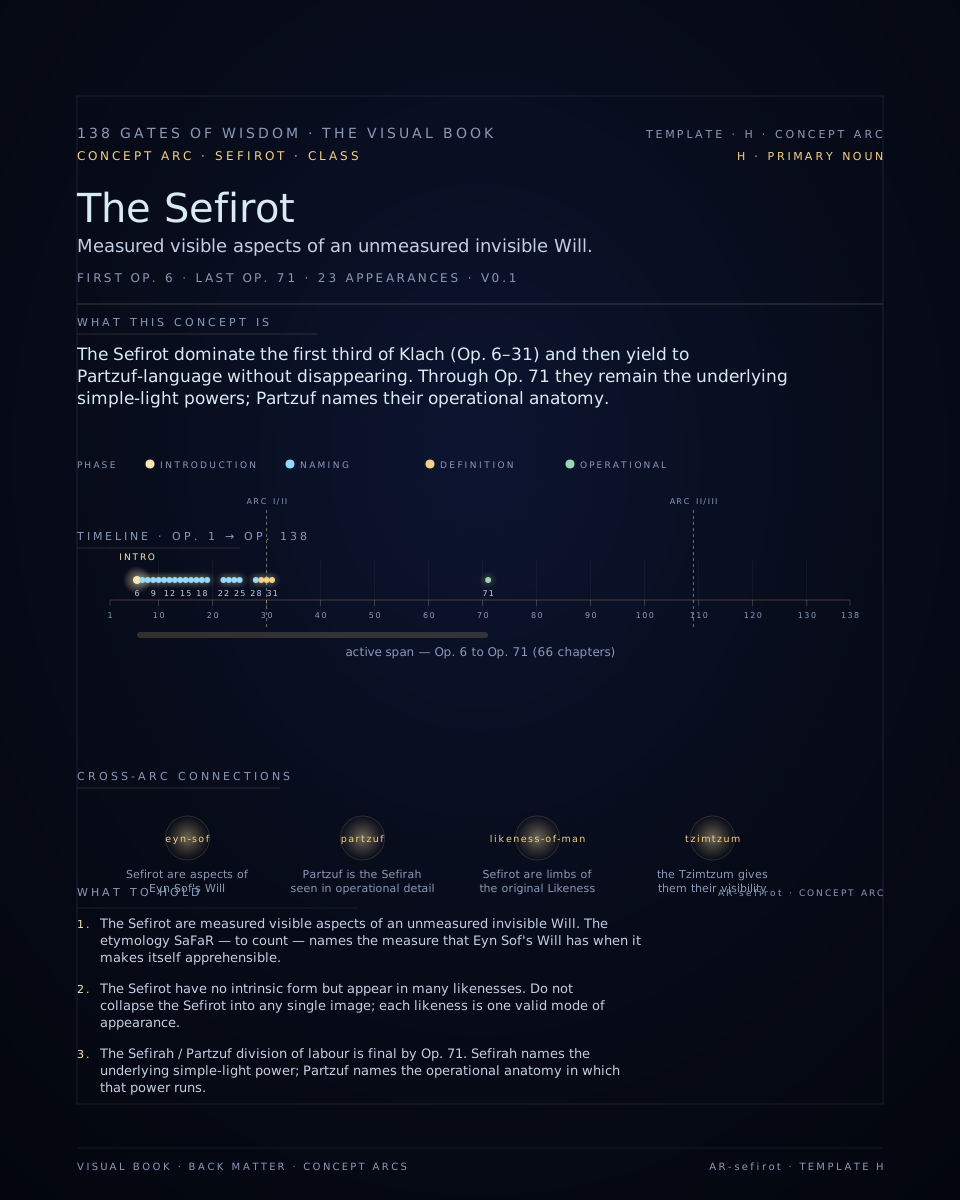
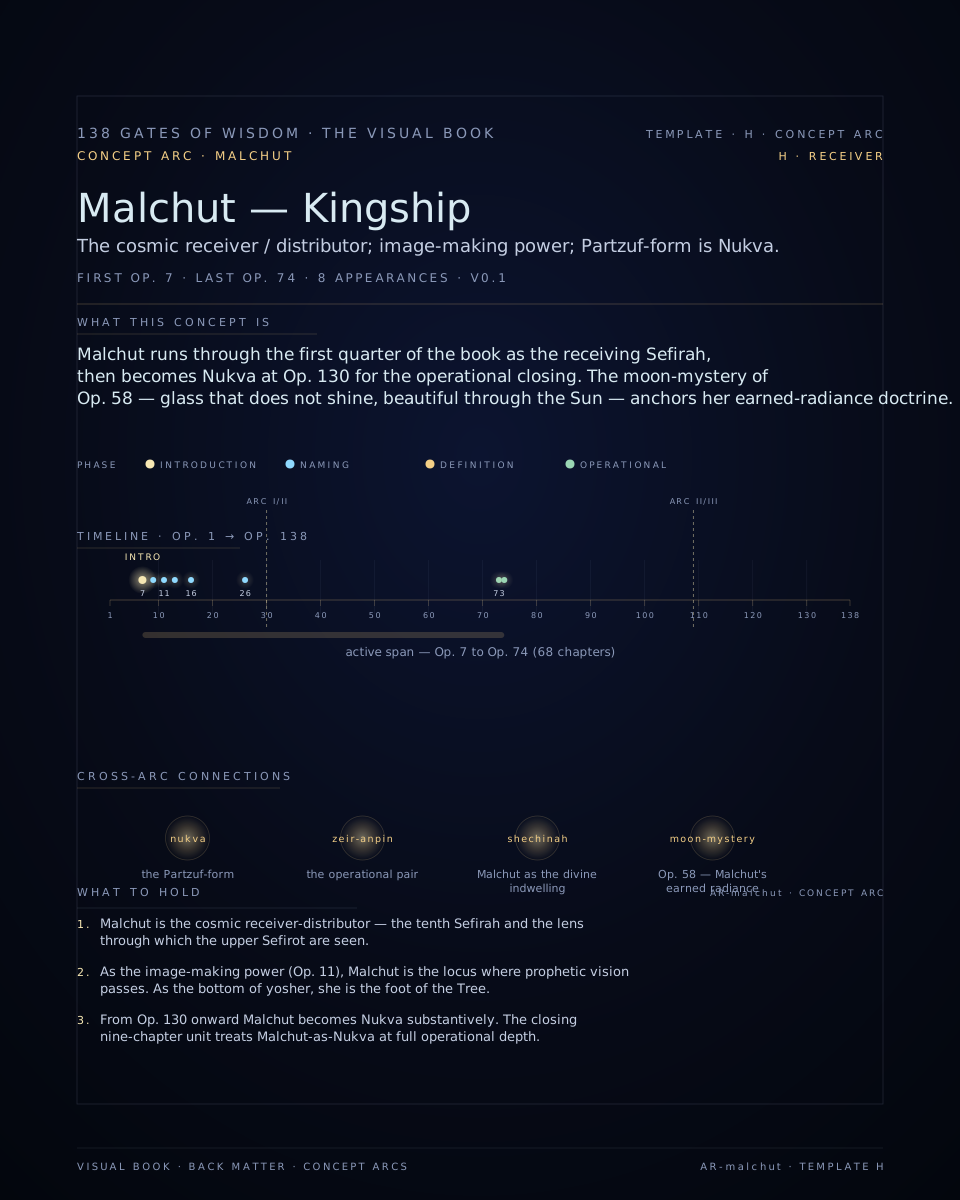
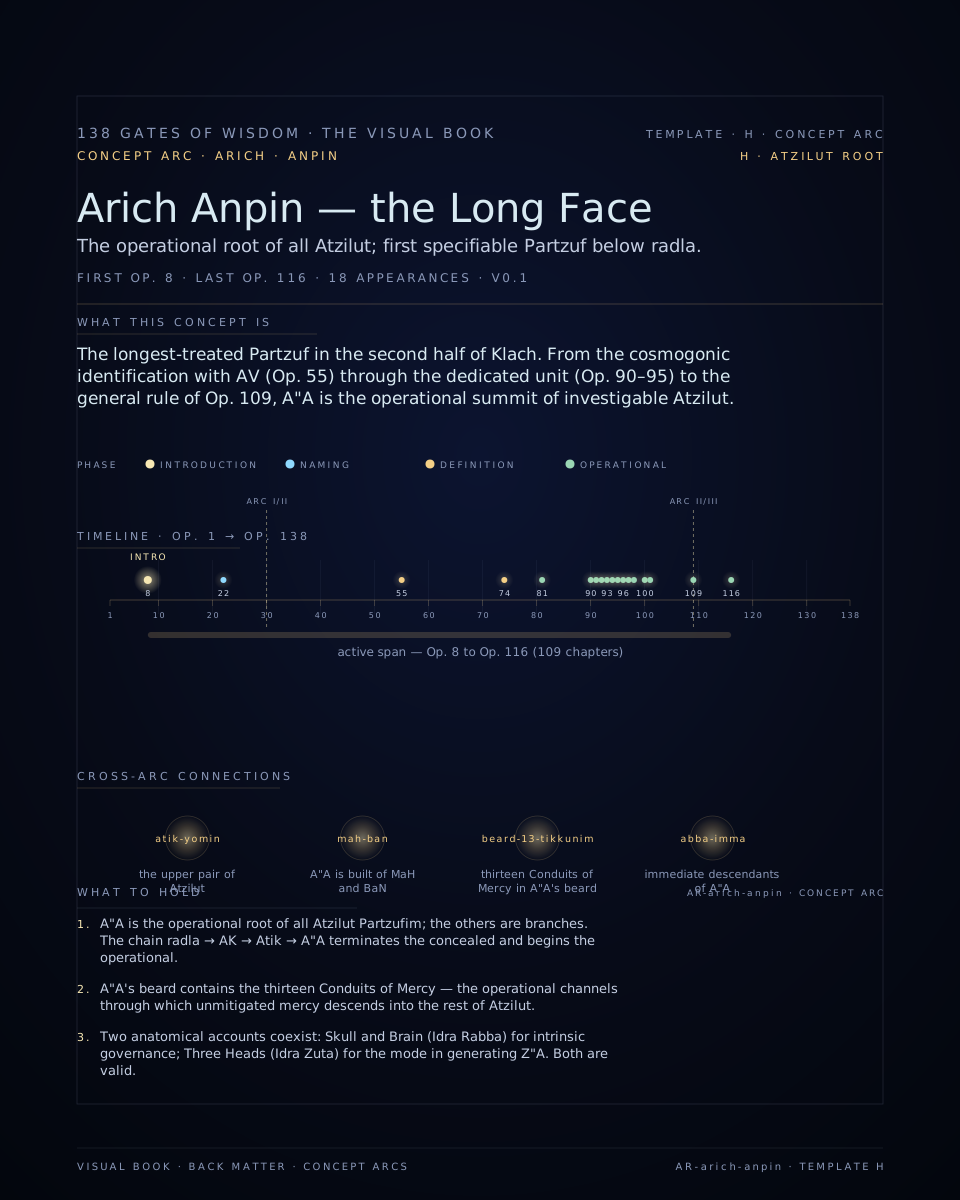
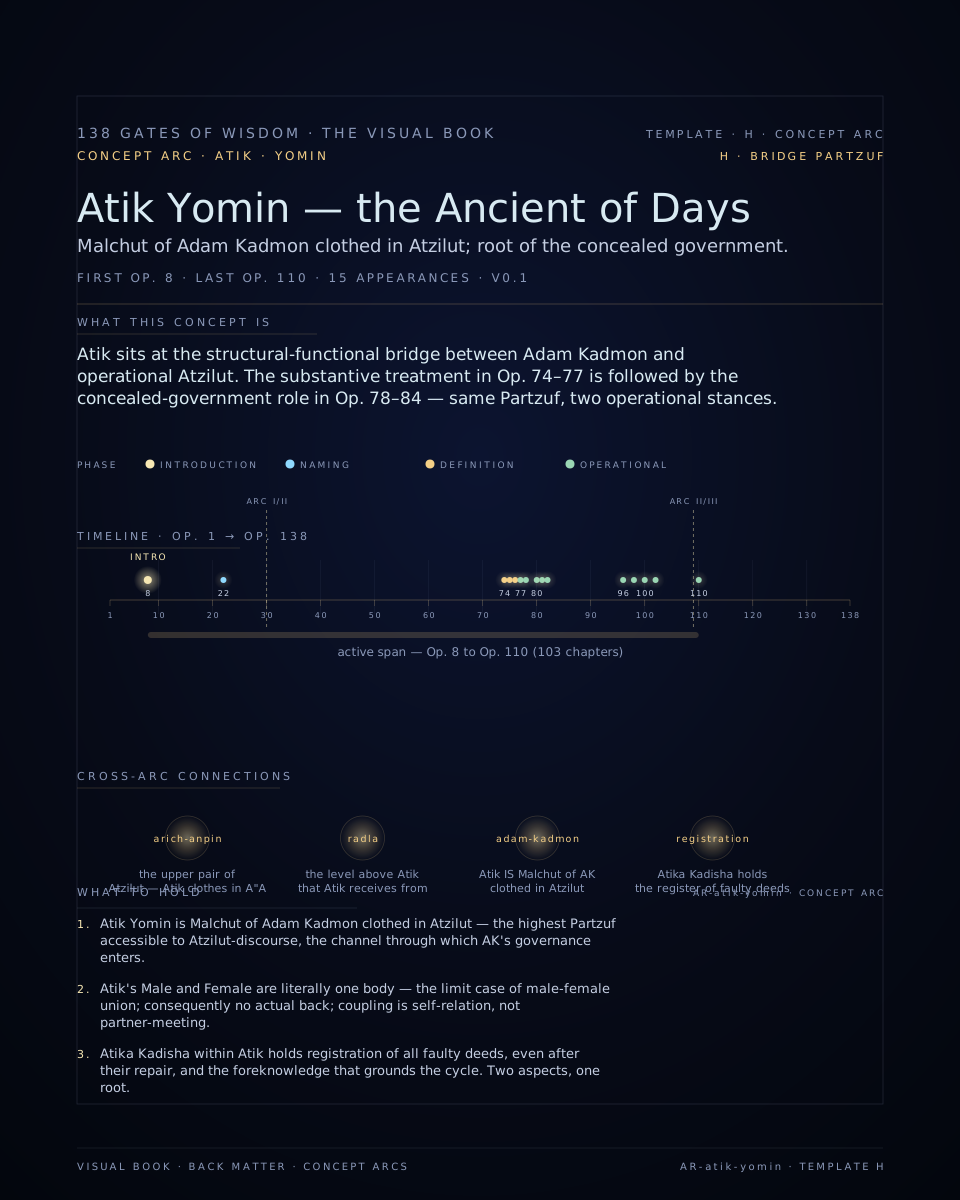
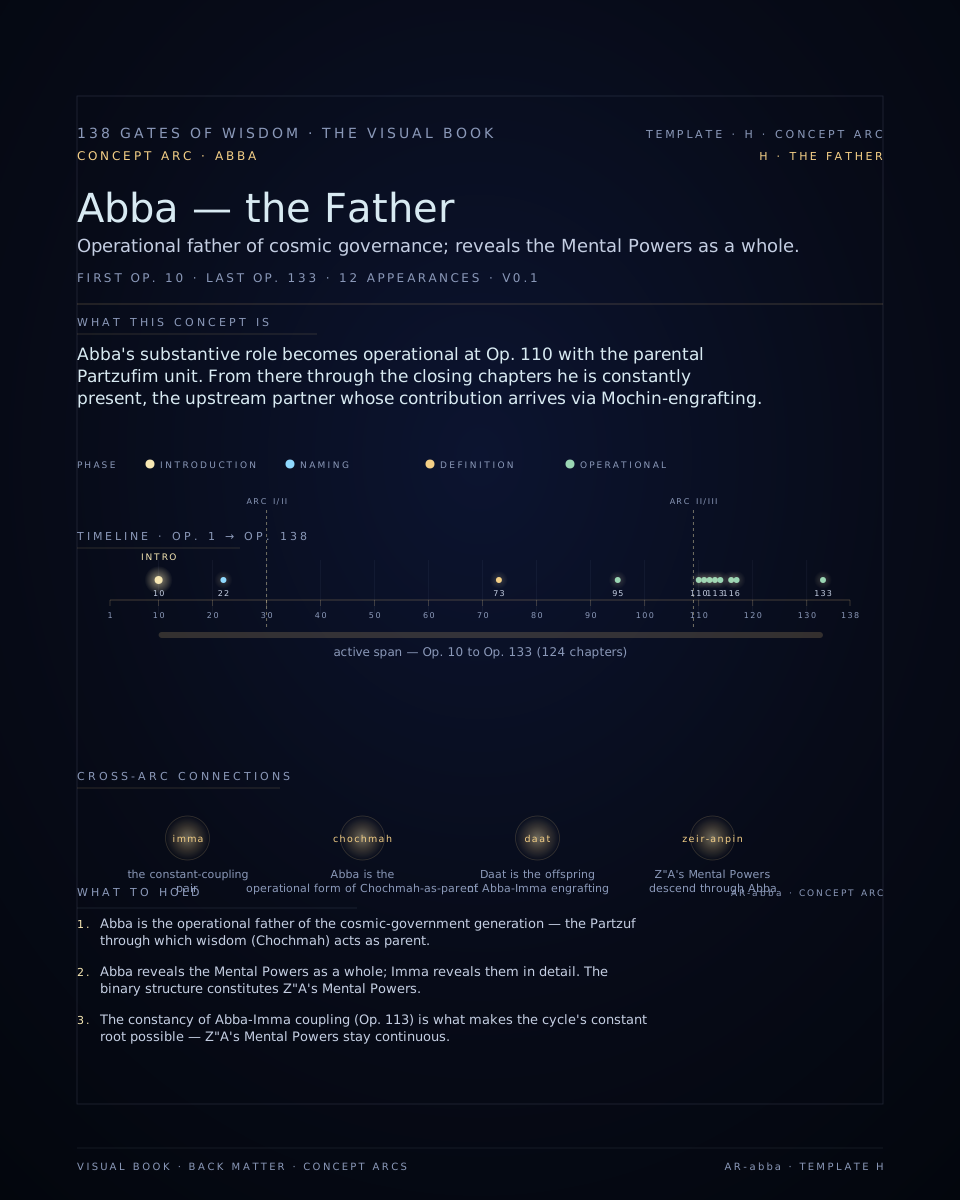
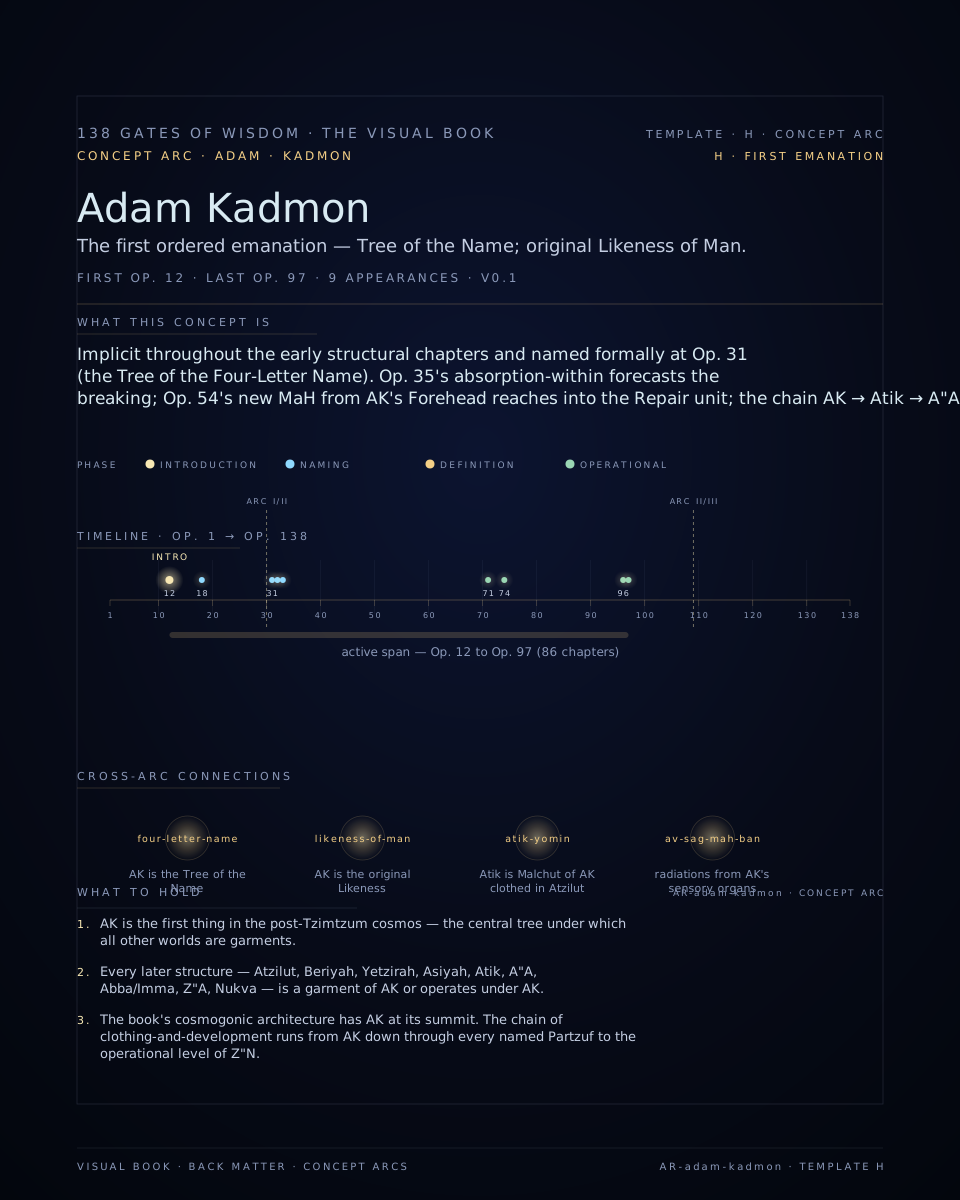
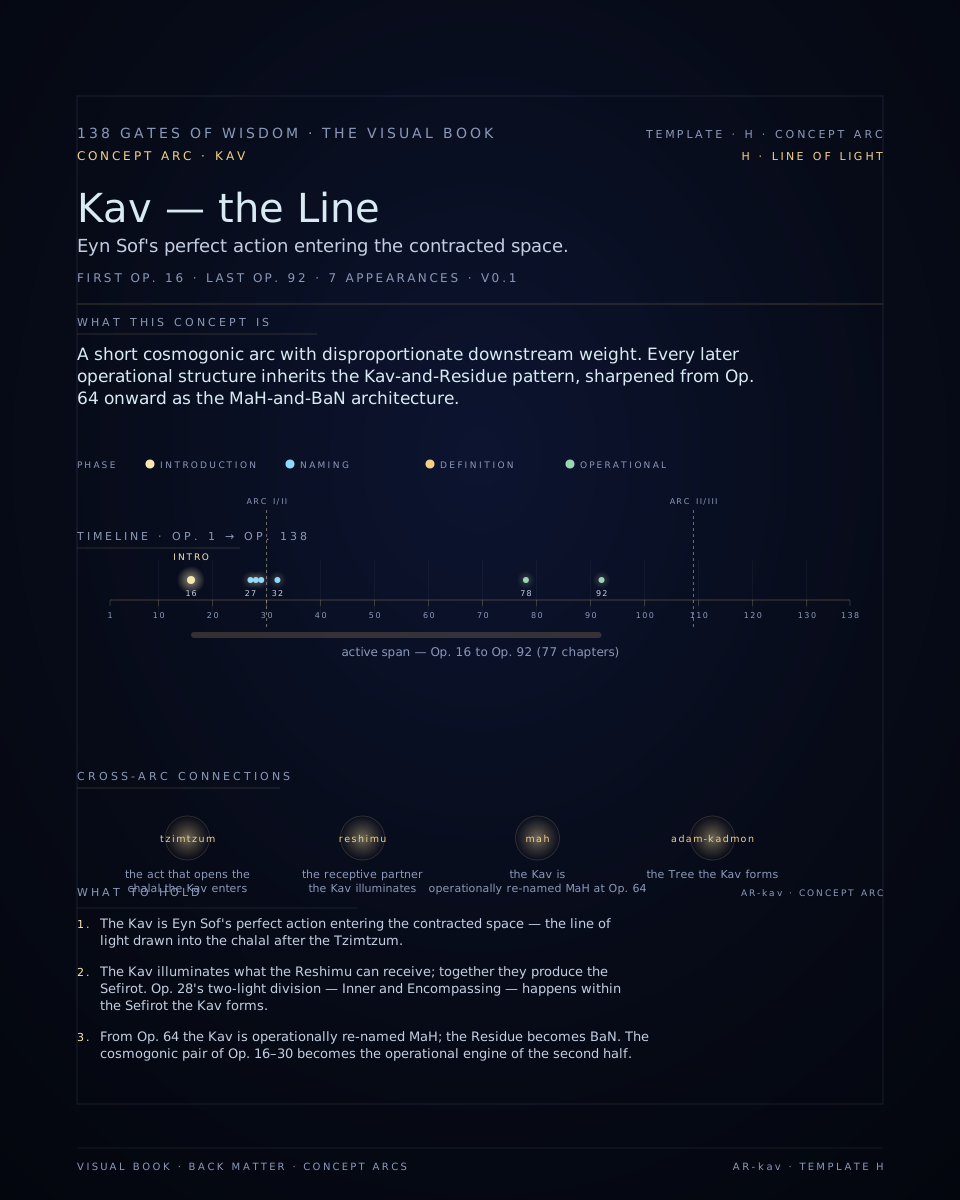
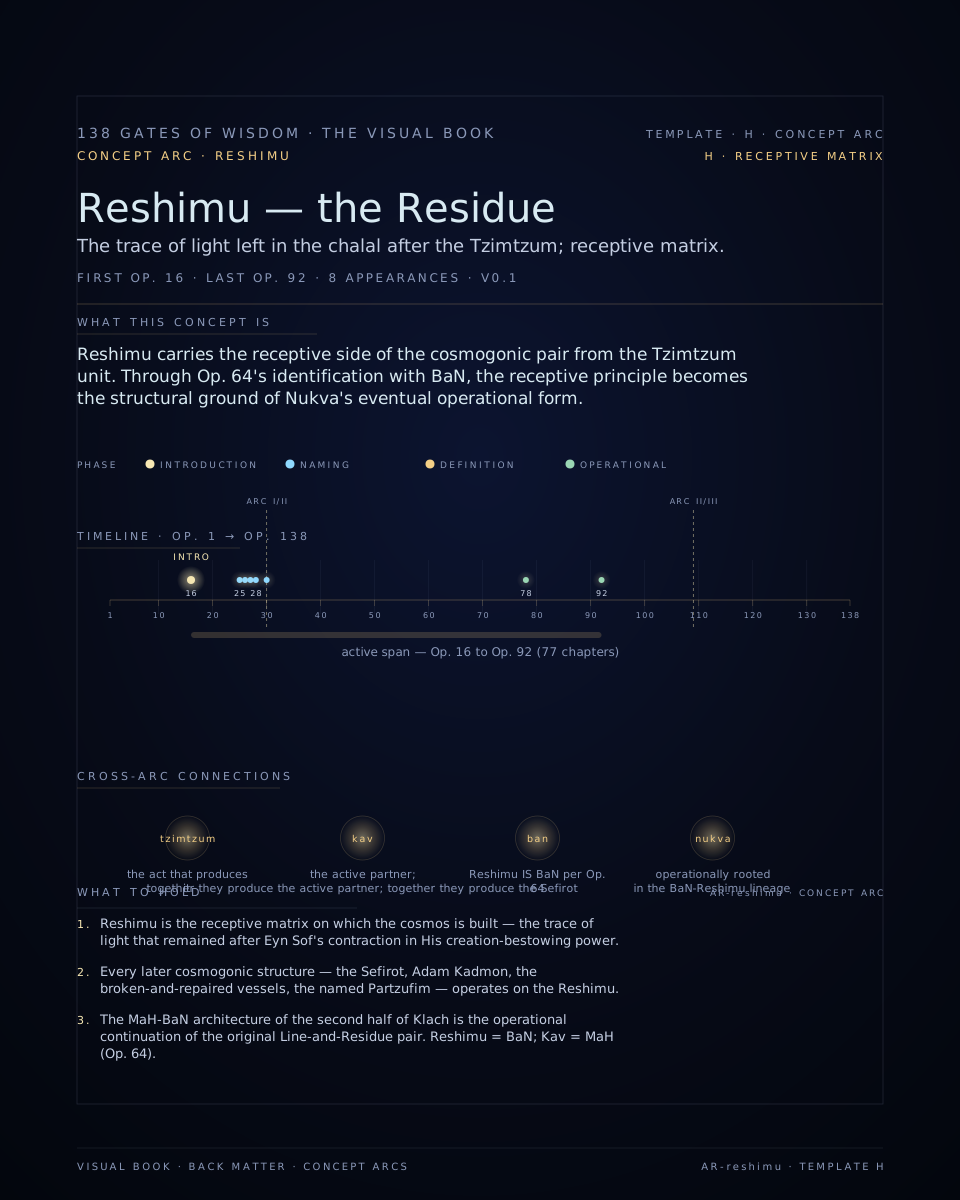
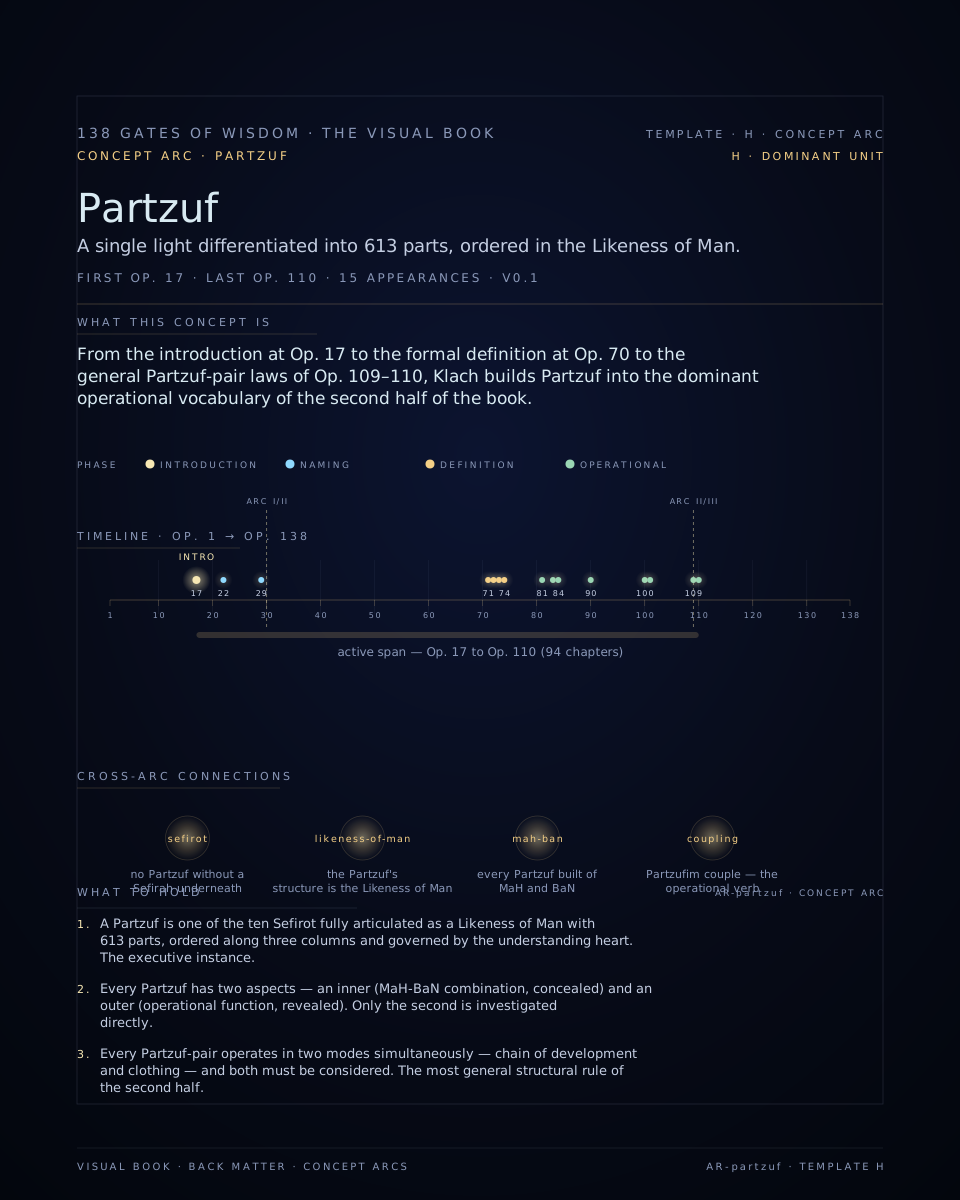
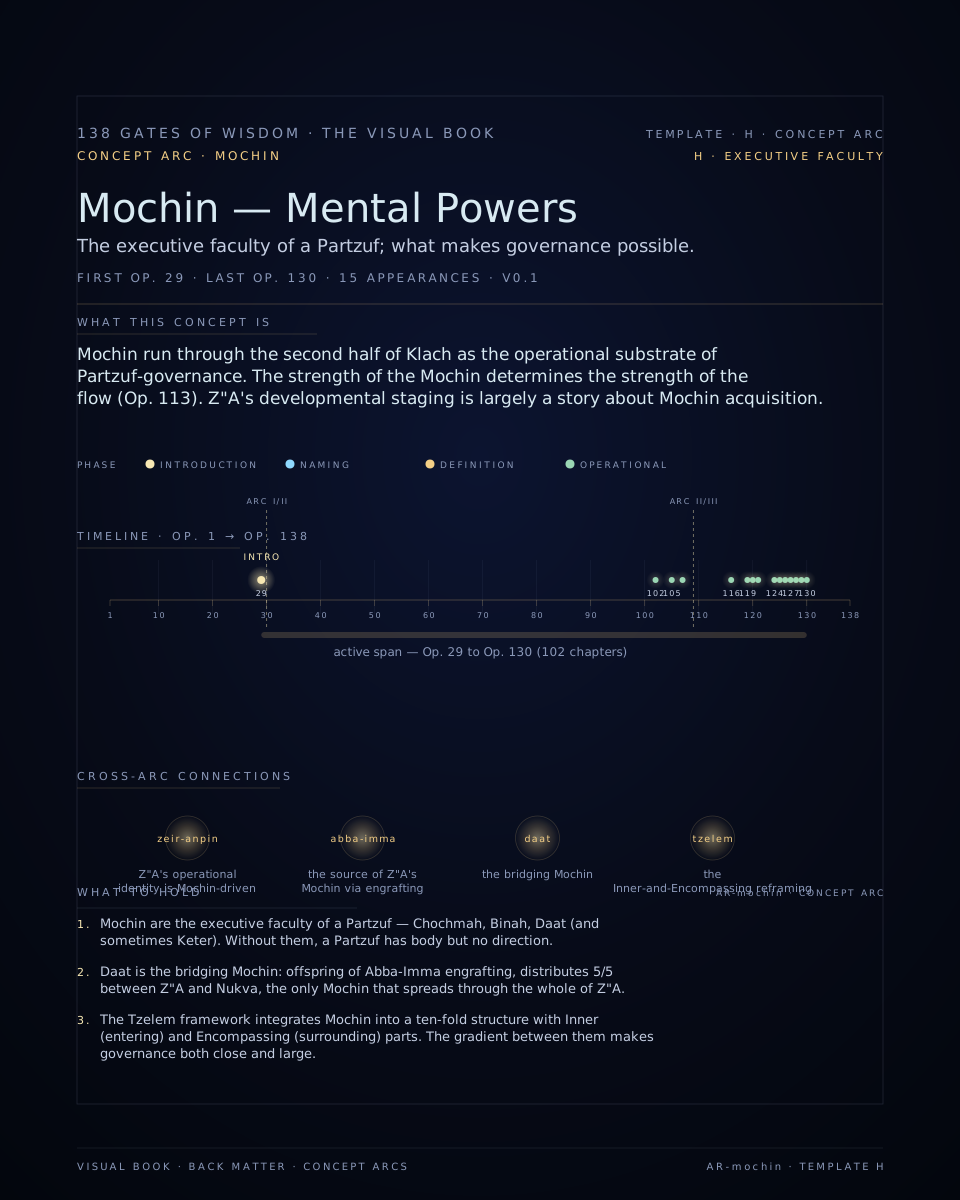
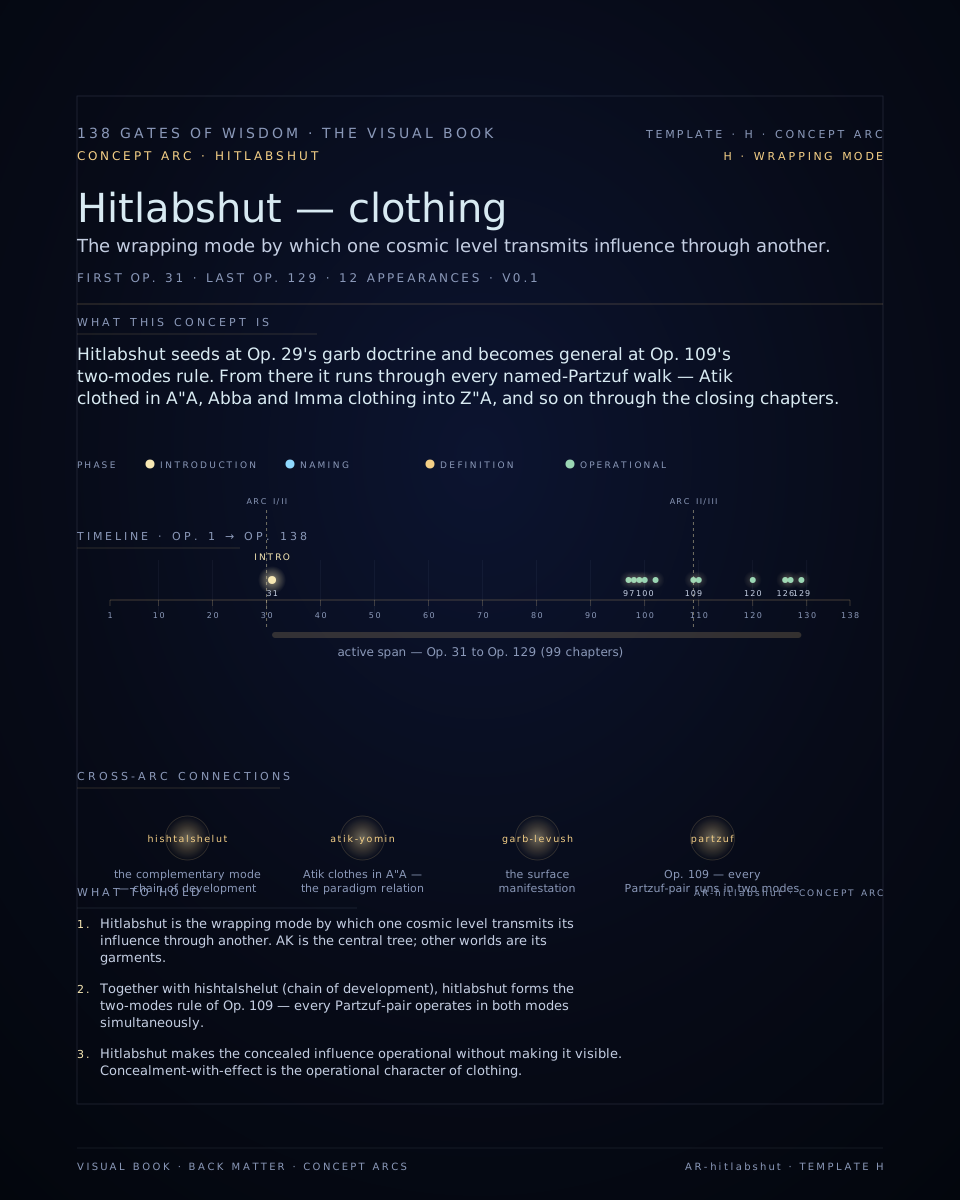
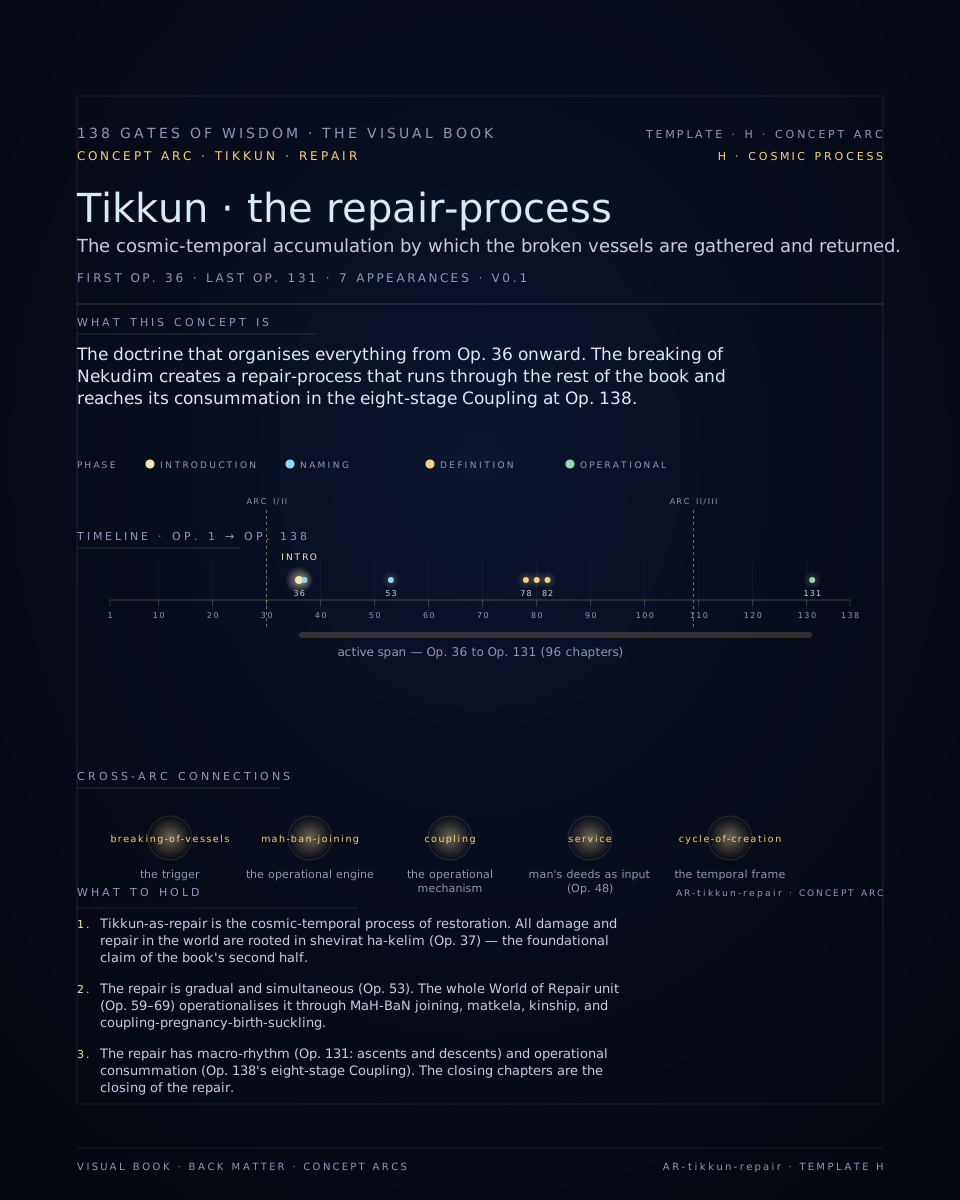
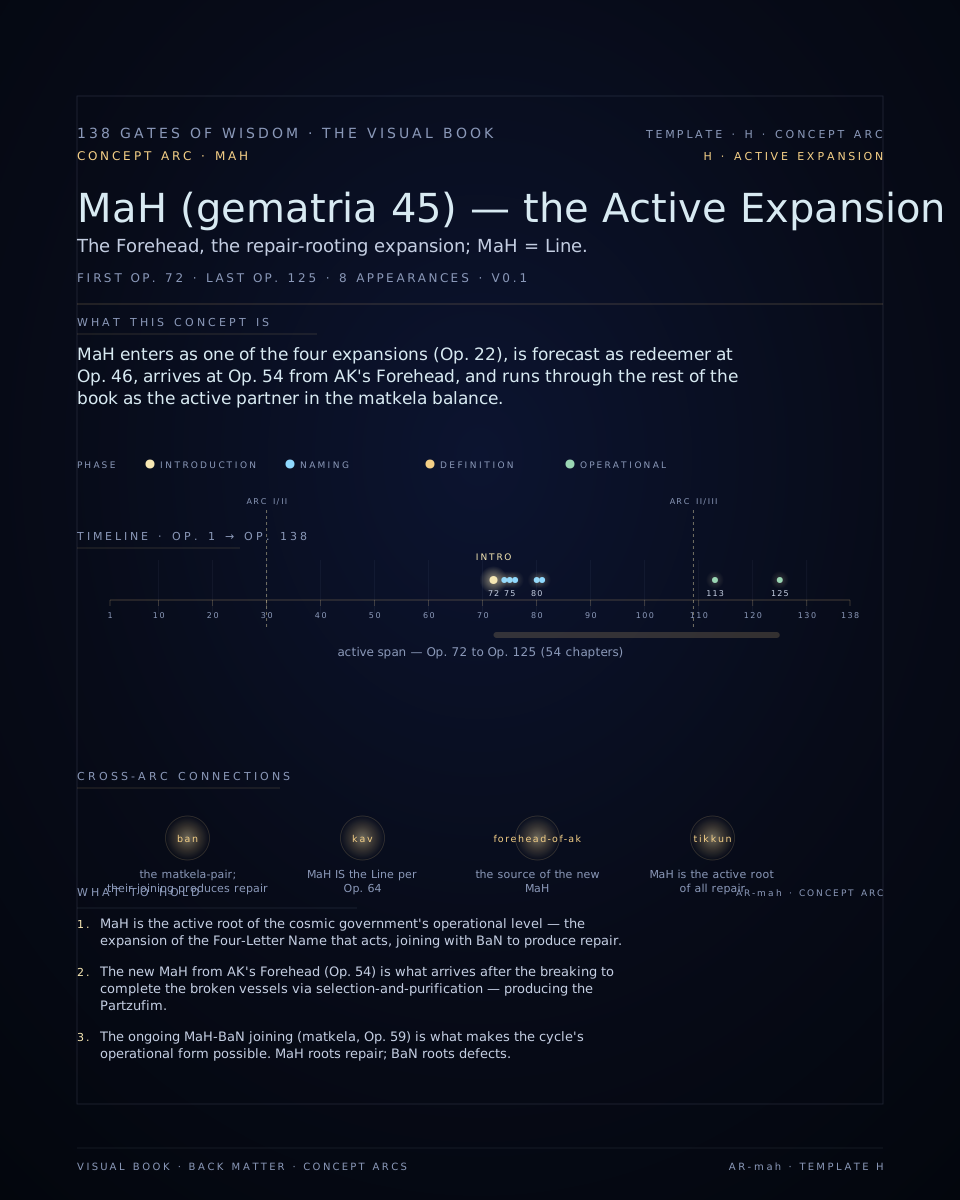
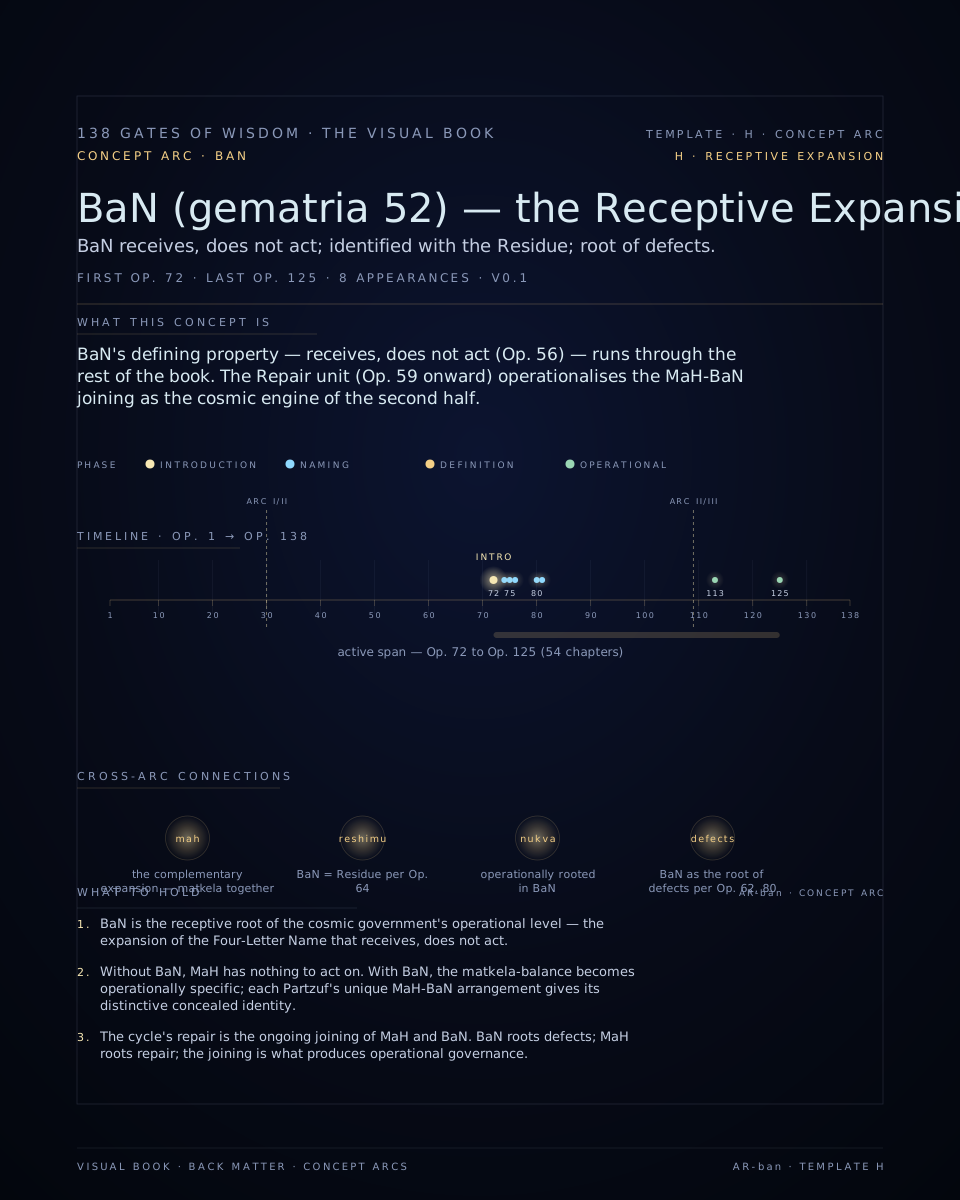
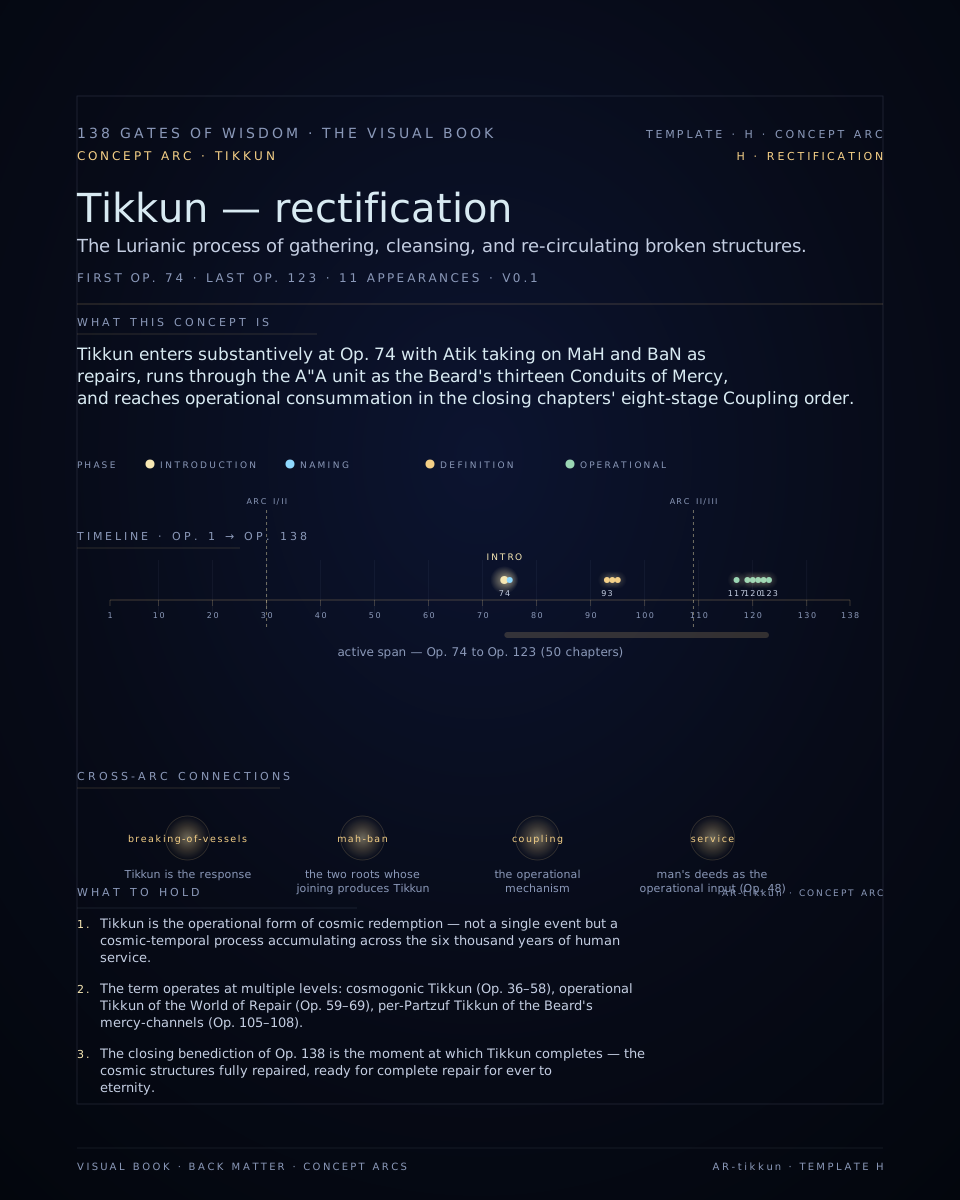
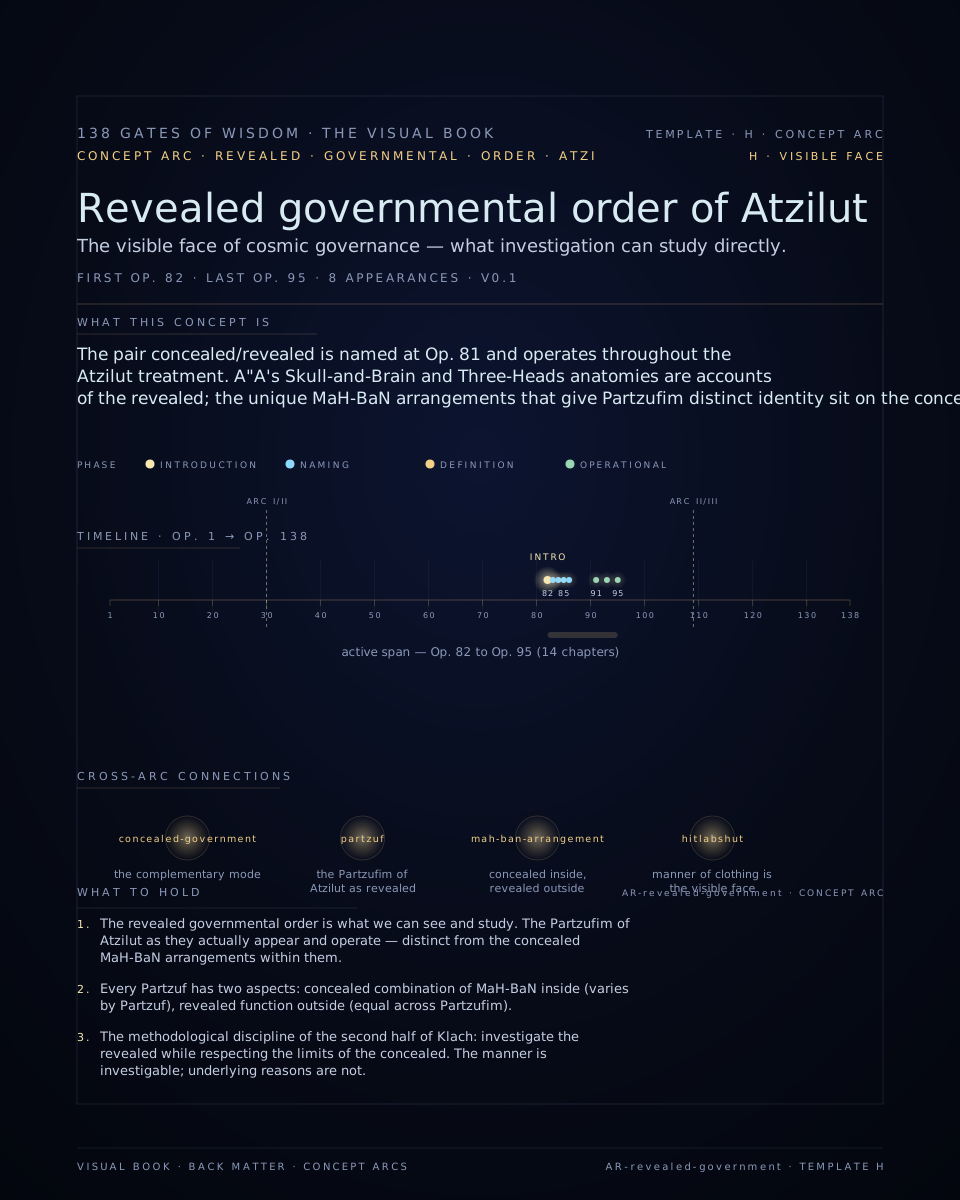
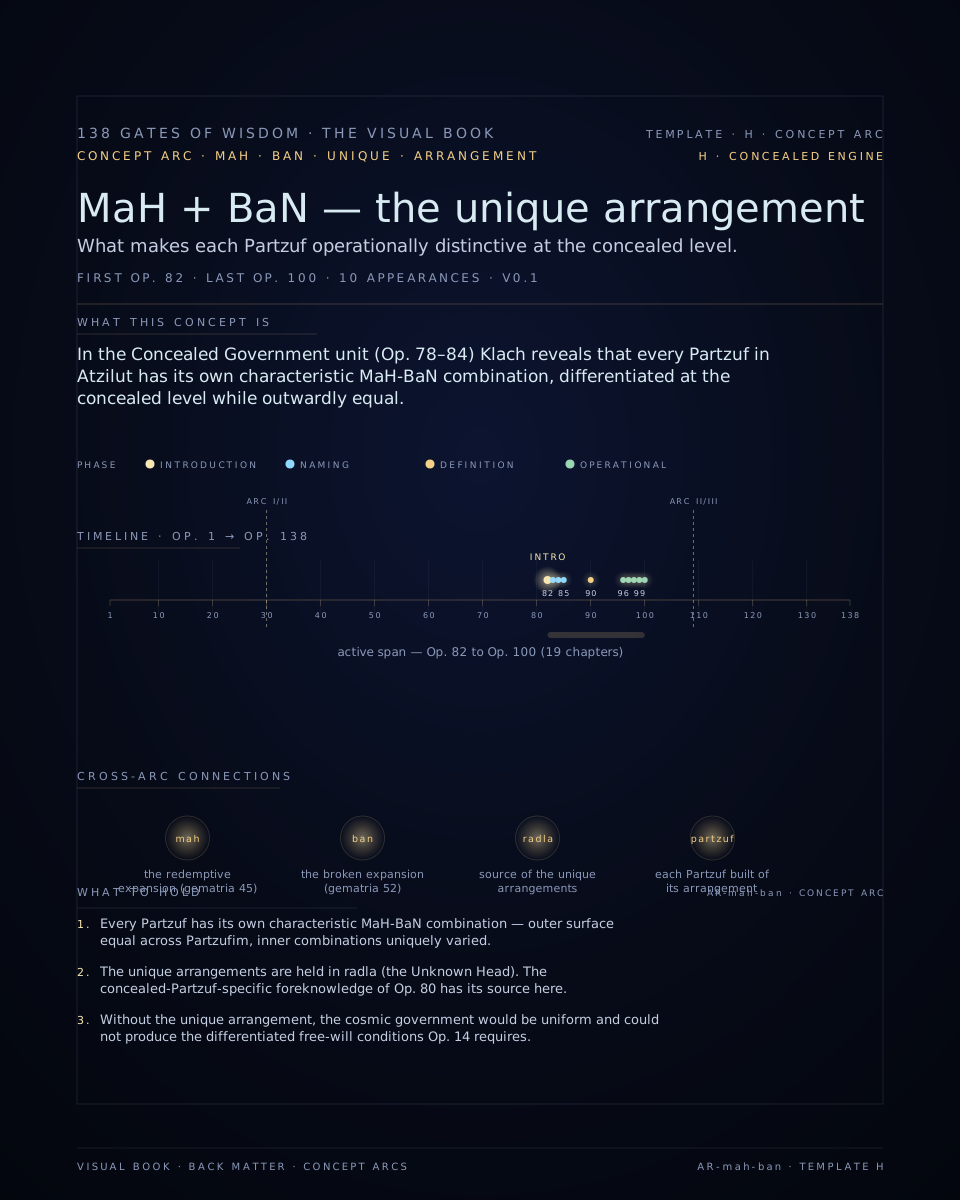
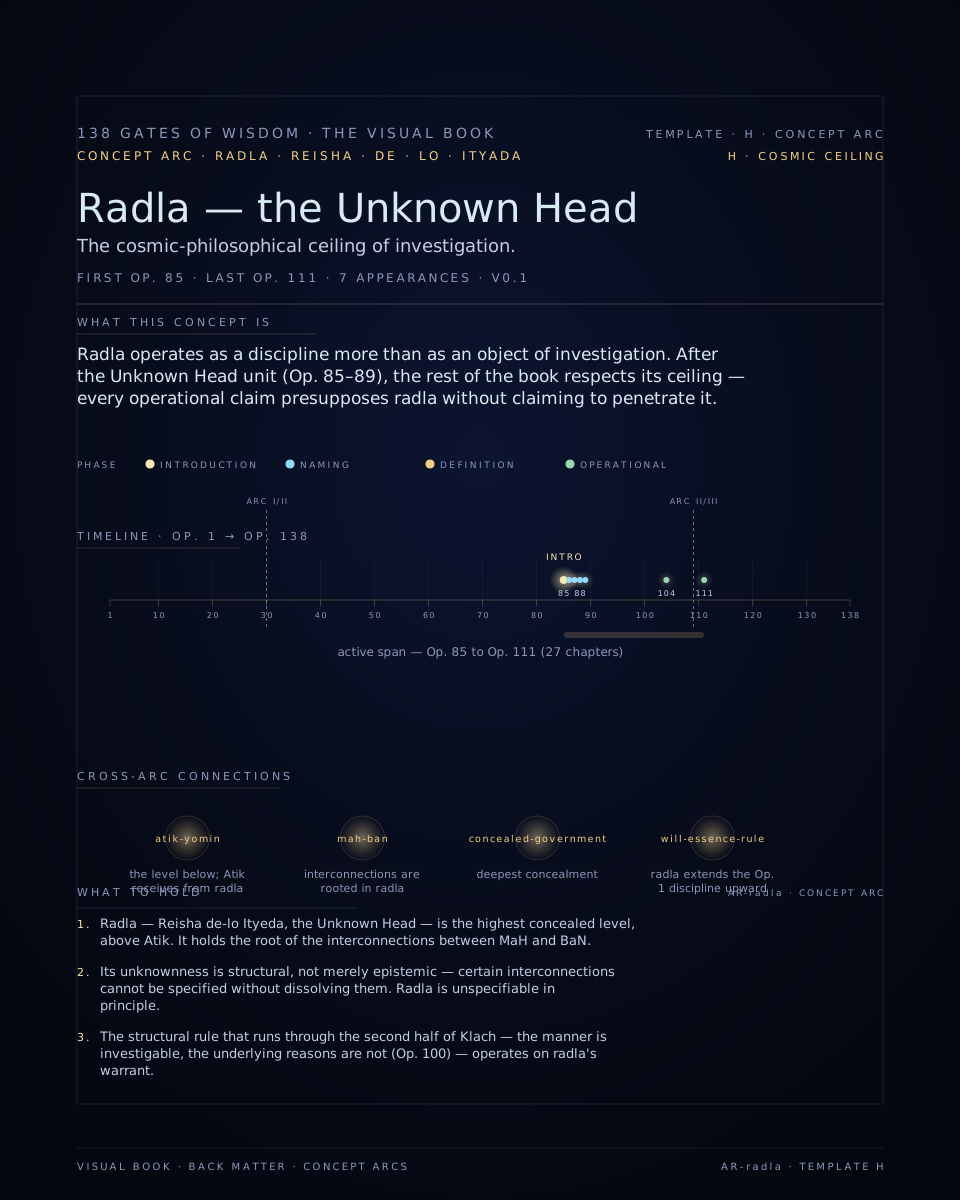
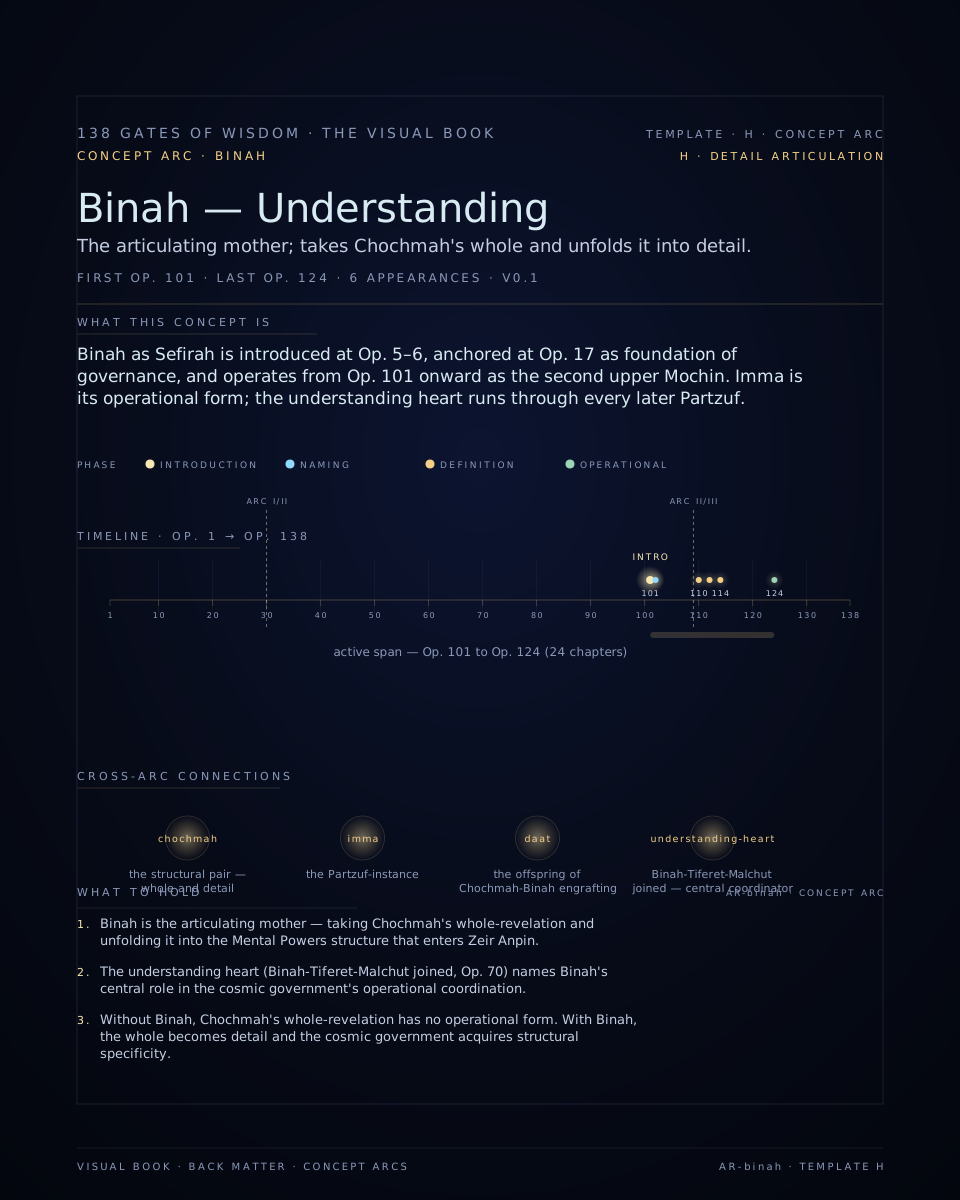
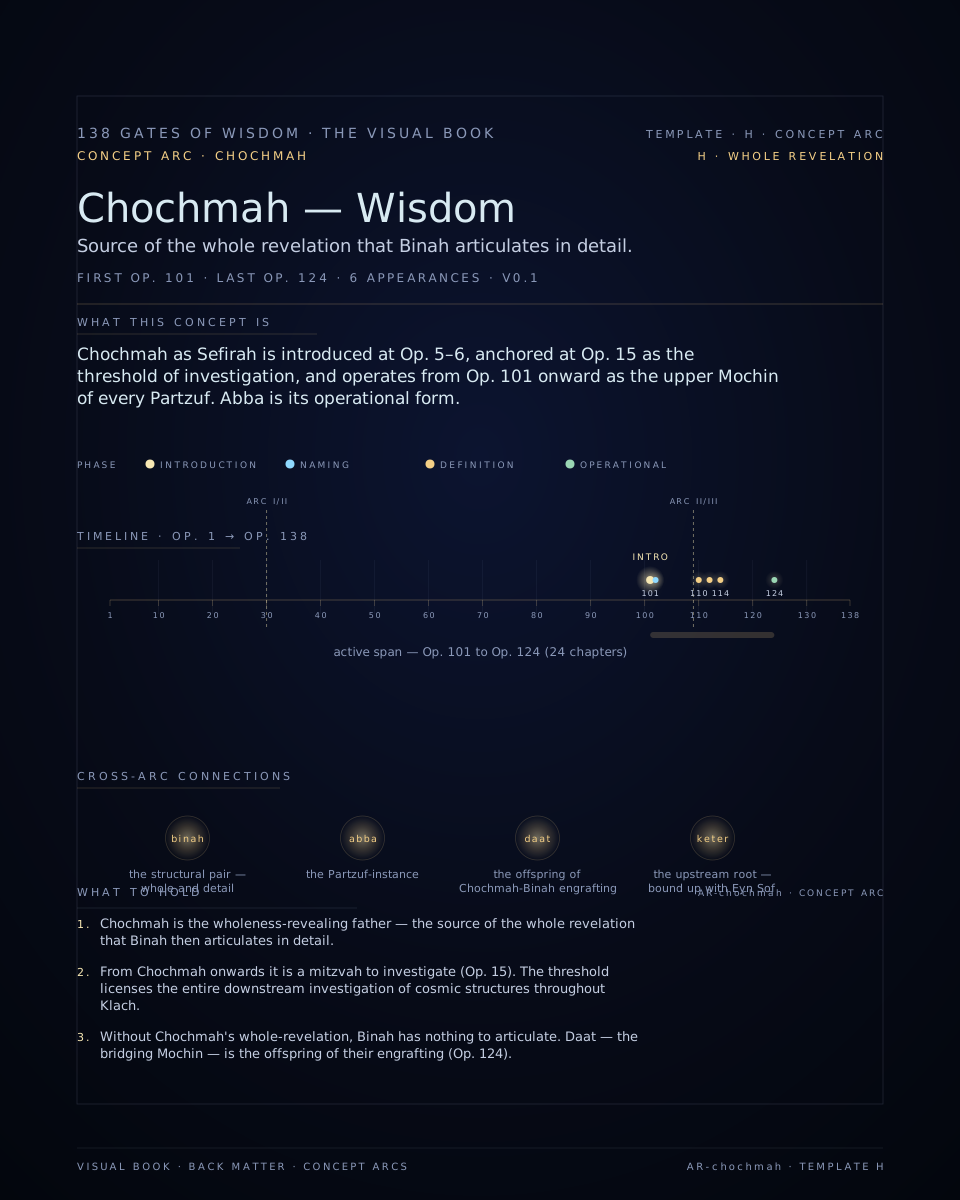
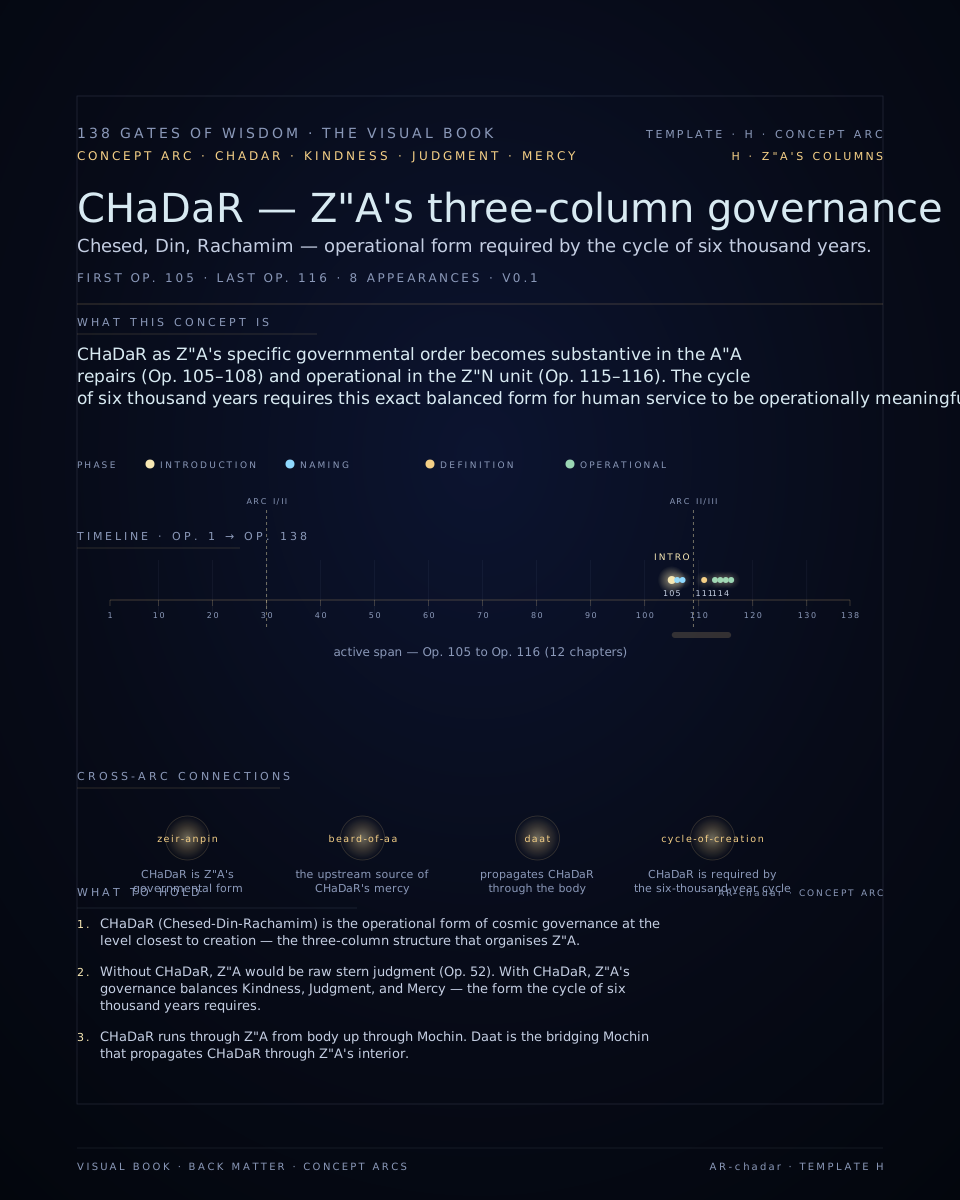
If a concept keeps recurring without you quite seeing the through-line — Tzimtzum at Op. 4 and 16 and 24 and 30, Partzuf at Op. 17 and 70 and 109 and 110 — find that concept's arc plate. The 138-column timeline shows every chapter where the concept appears, phase-coloured to mark introduction, naming, definition, and operational consequence. The cross-arc orbs name the two-to-five concepts it travels with.
The plates here are at the same 8.5×11 page geometry as the main book, in dark and cream. They are designed for one-plate-per-page printing — each bridge and arc can be torn out, marked up, and put back. Toggle the theme above to switch between the dark on-screen variant and the cream print variant.
Within Foundations
The first five transitions develop the foundations end to end — axioms, Sefirot, forms, the Highest-Thought question, the move to letters, and the cosmogonic origin.
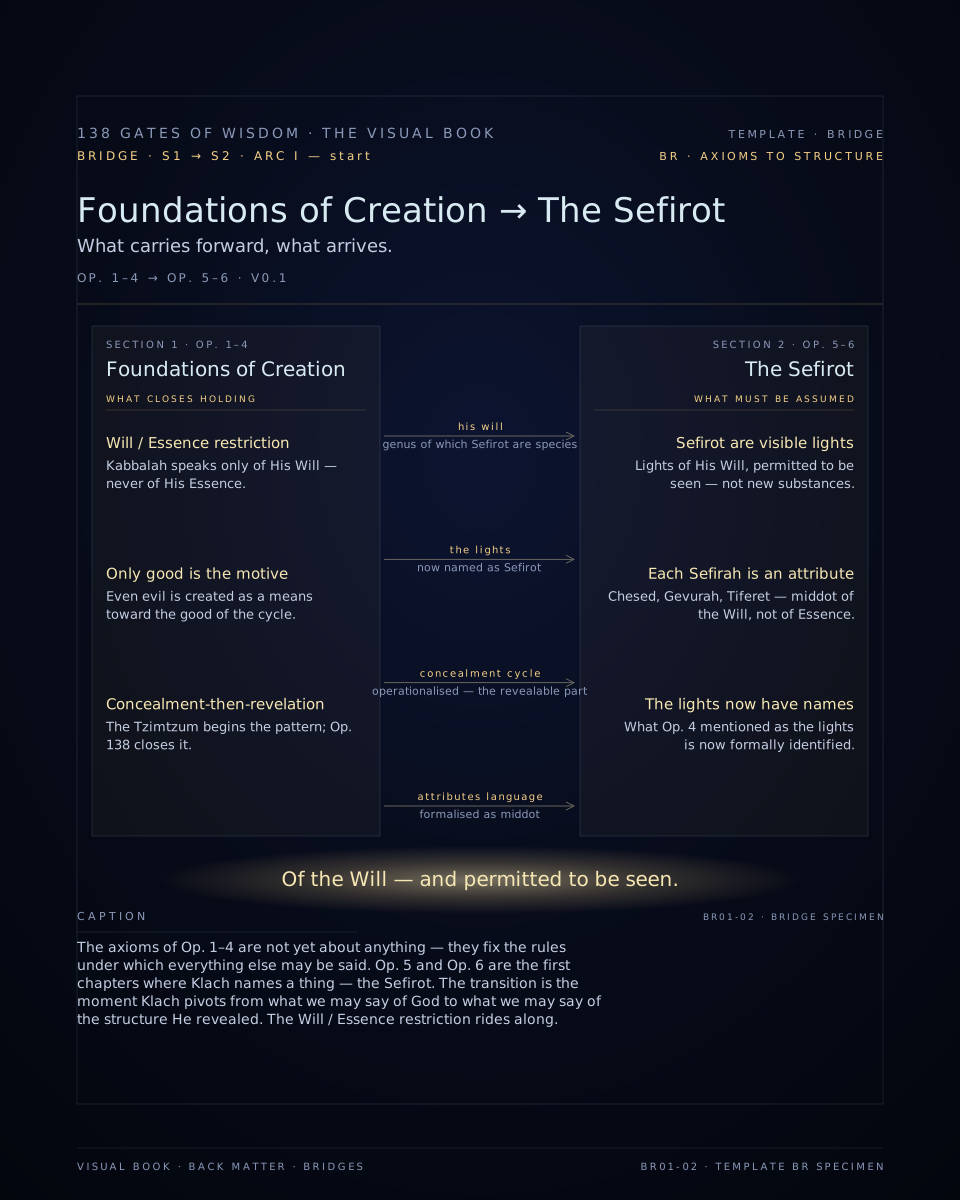
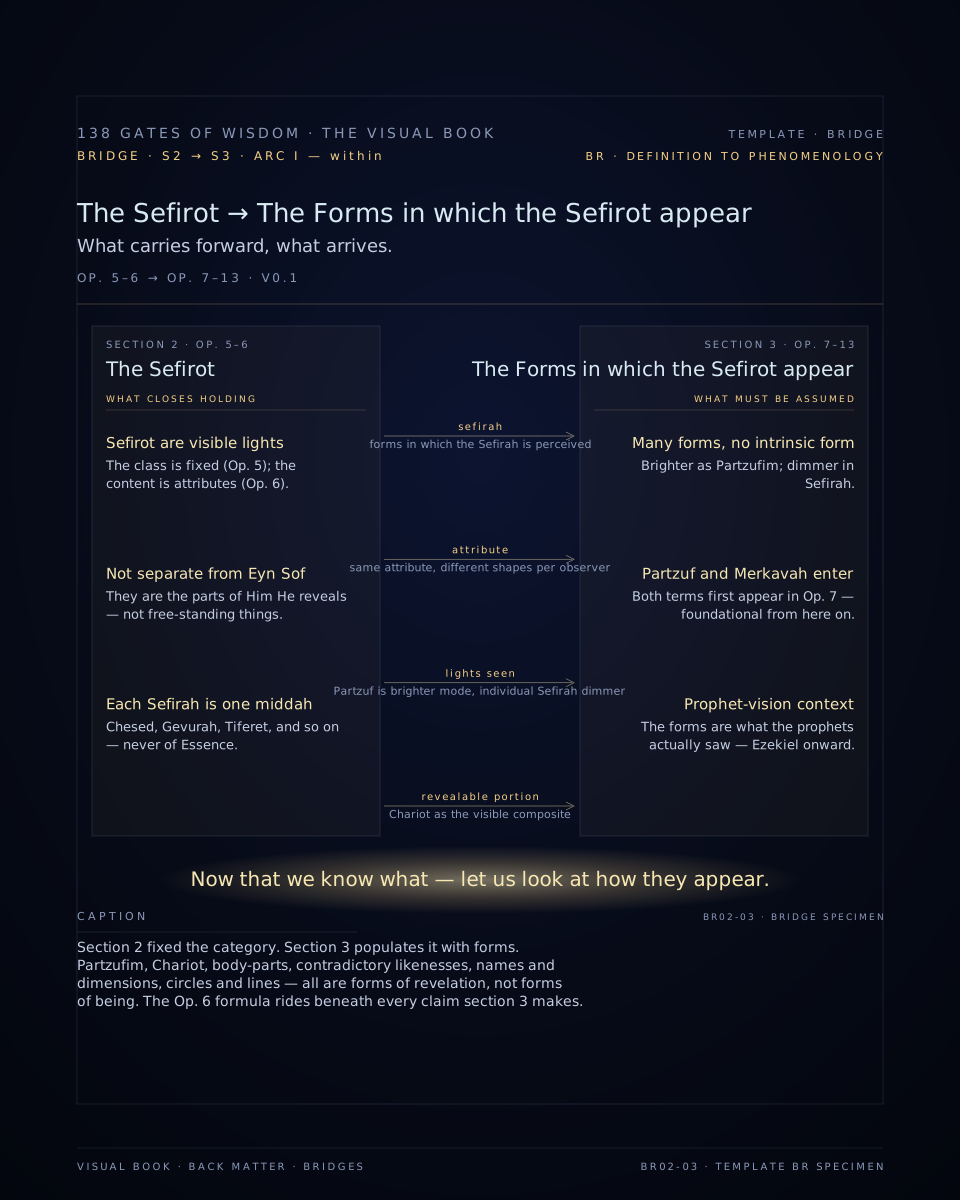
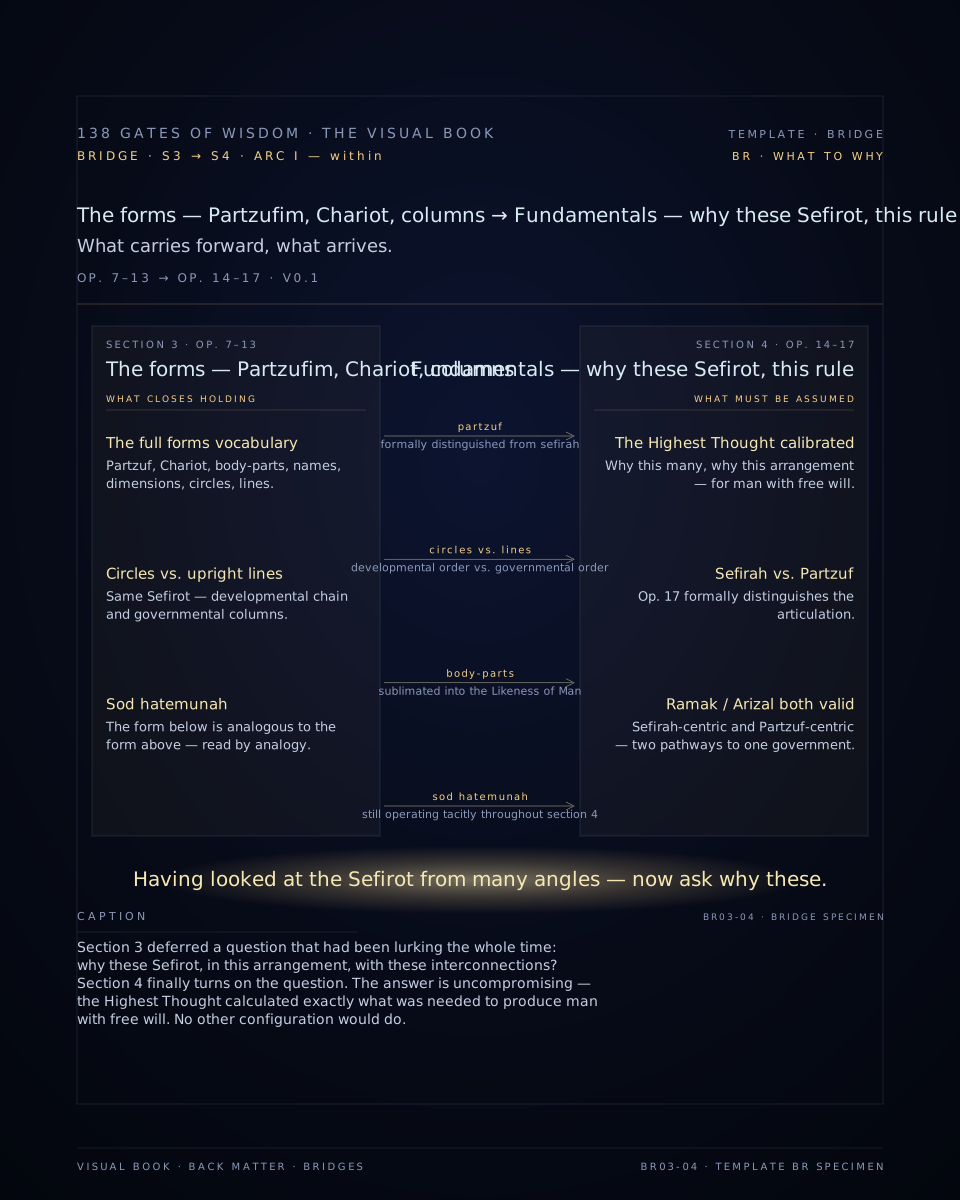
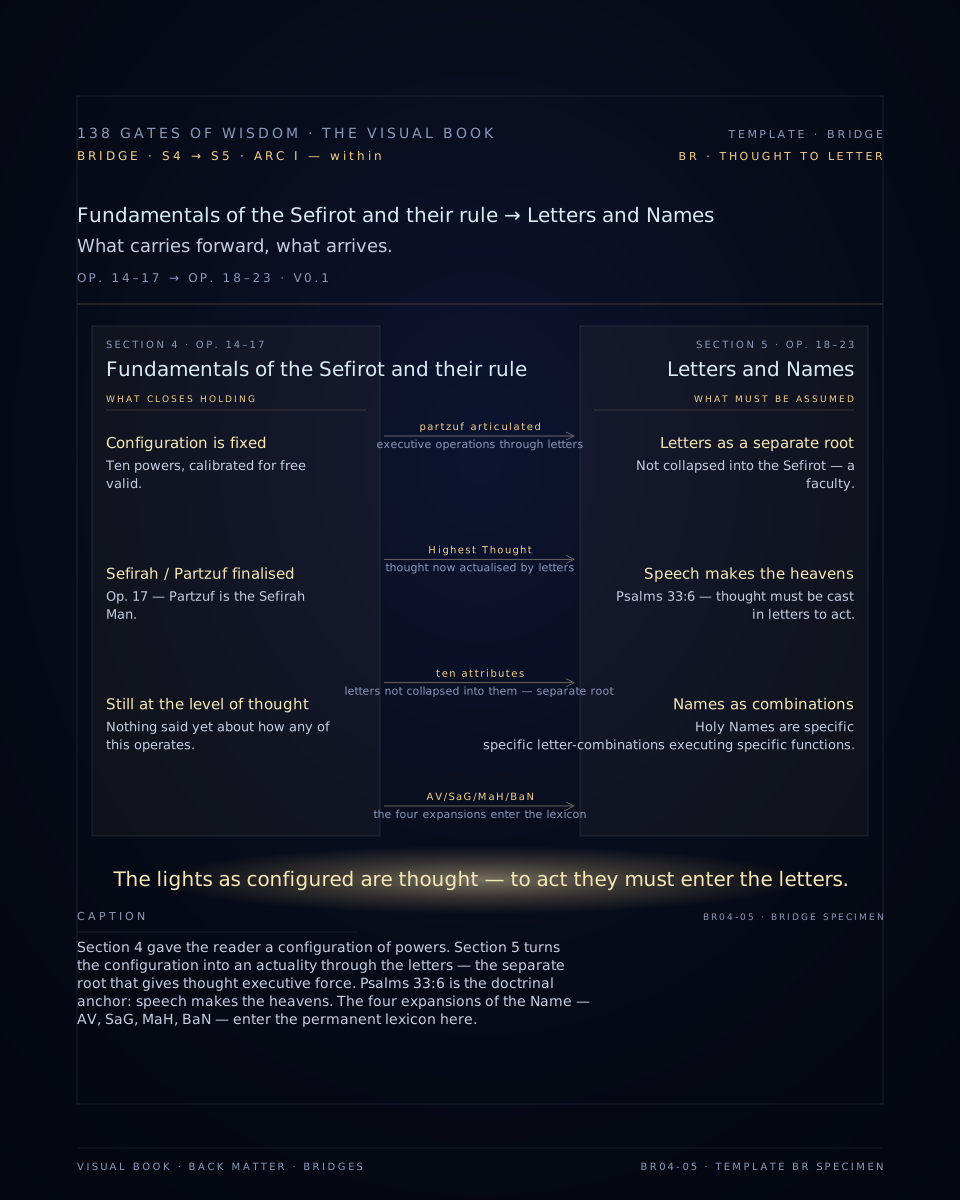
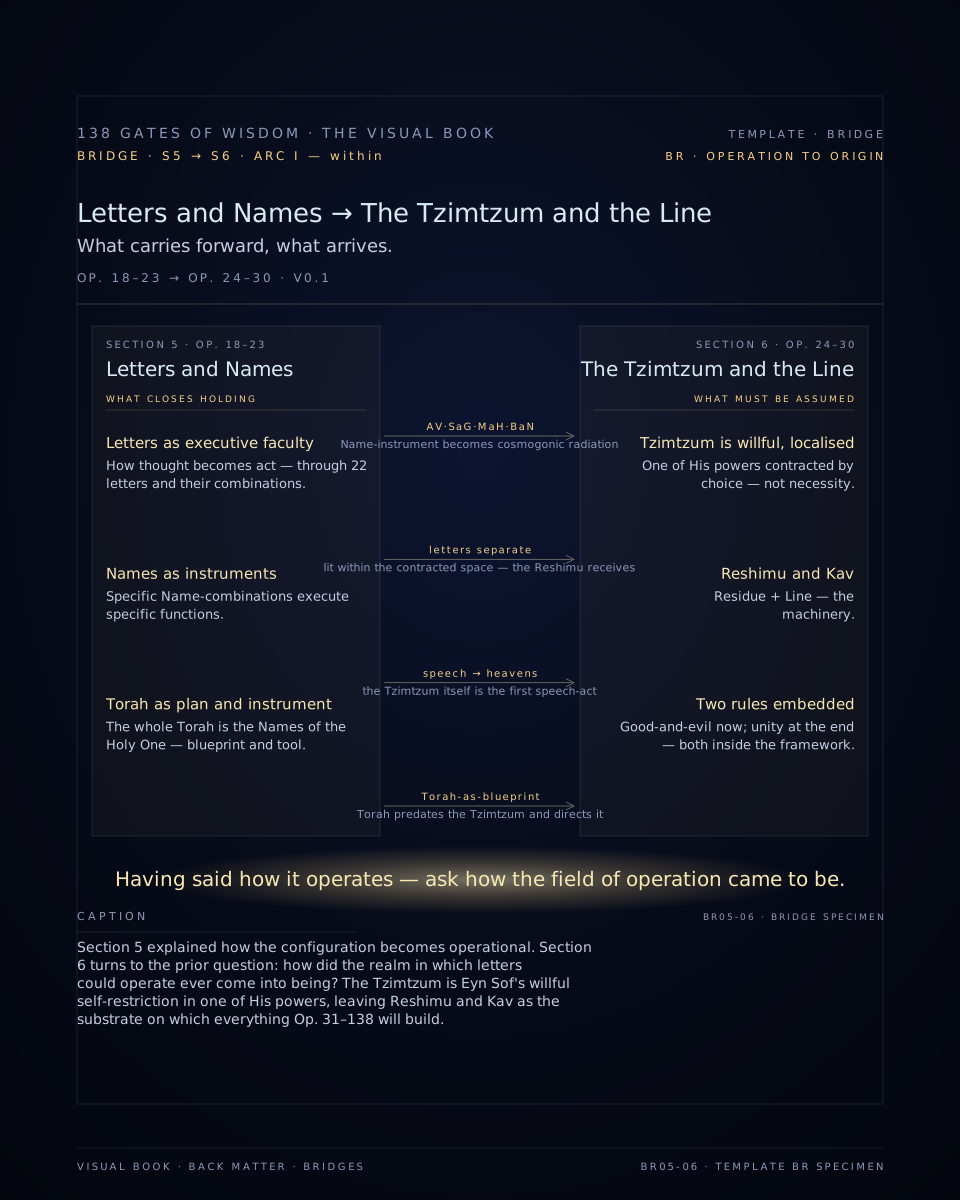
From Foundations into Construction
The most structurally important crossing in the book. Section 6 has built the place; section 7 names what fills it. Adam Kadmon enters.
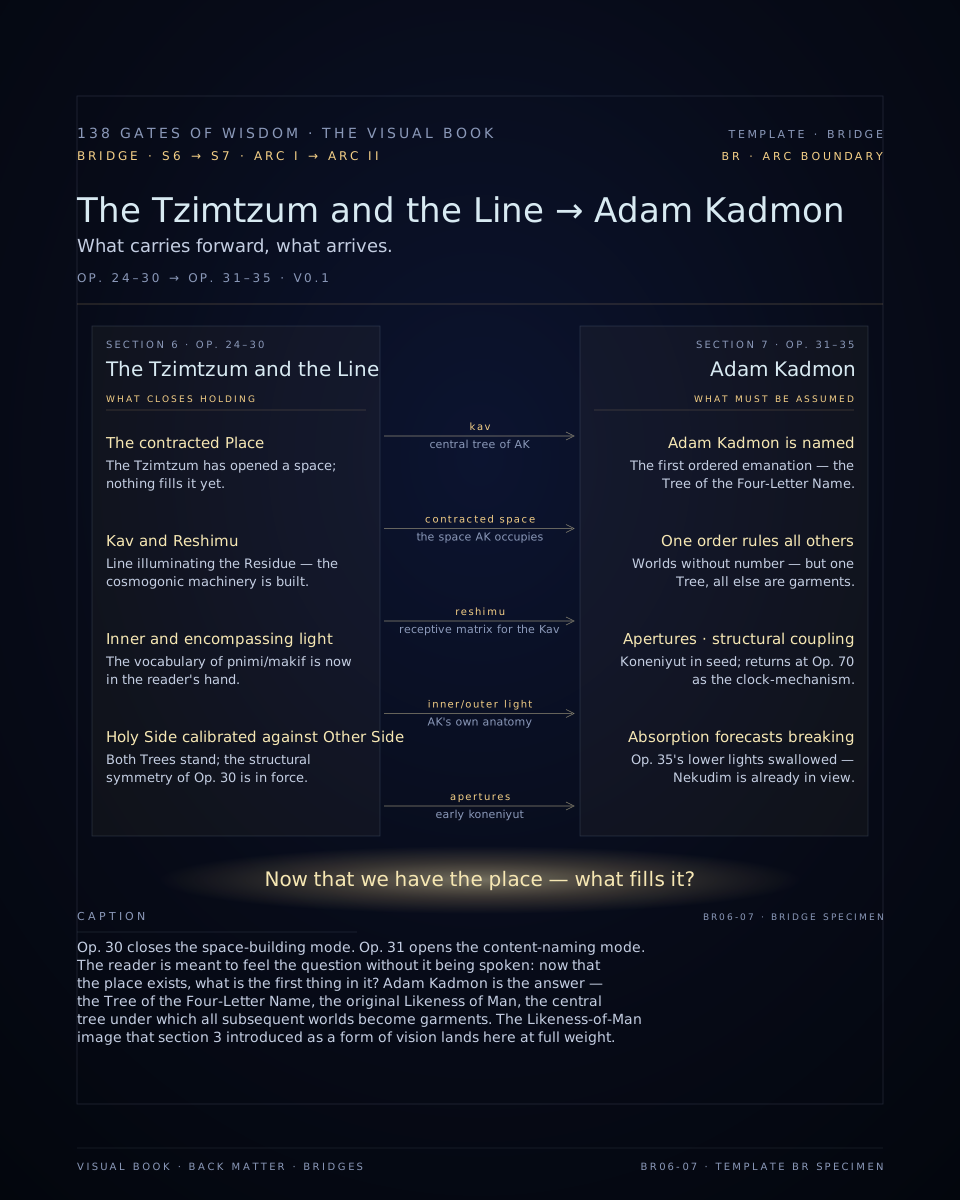
Within Construction
The longest stretch of transitions — from Adam Kadmon through the breaking and repair, the operational matkela, the formal Partzuf, the named-Partzuf walk, the concealed government, the Unknown Head, Arich Anpin, the AK-Atzilut link, and the Repairs of Arich.
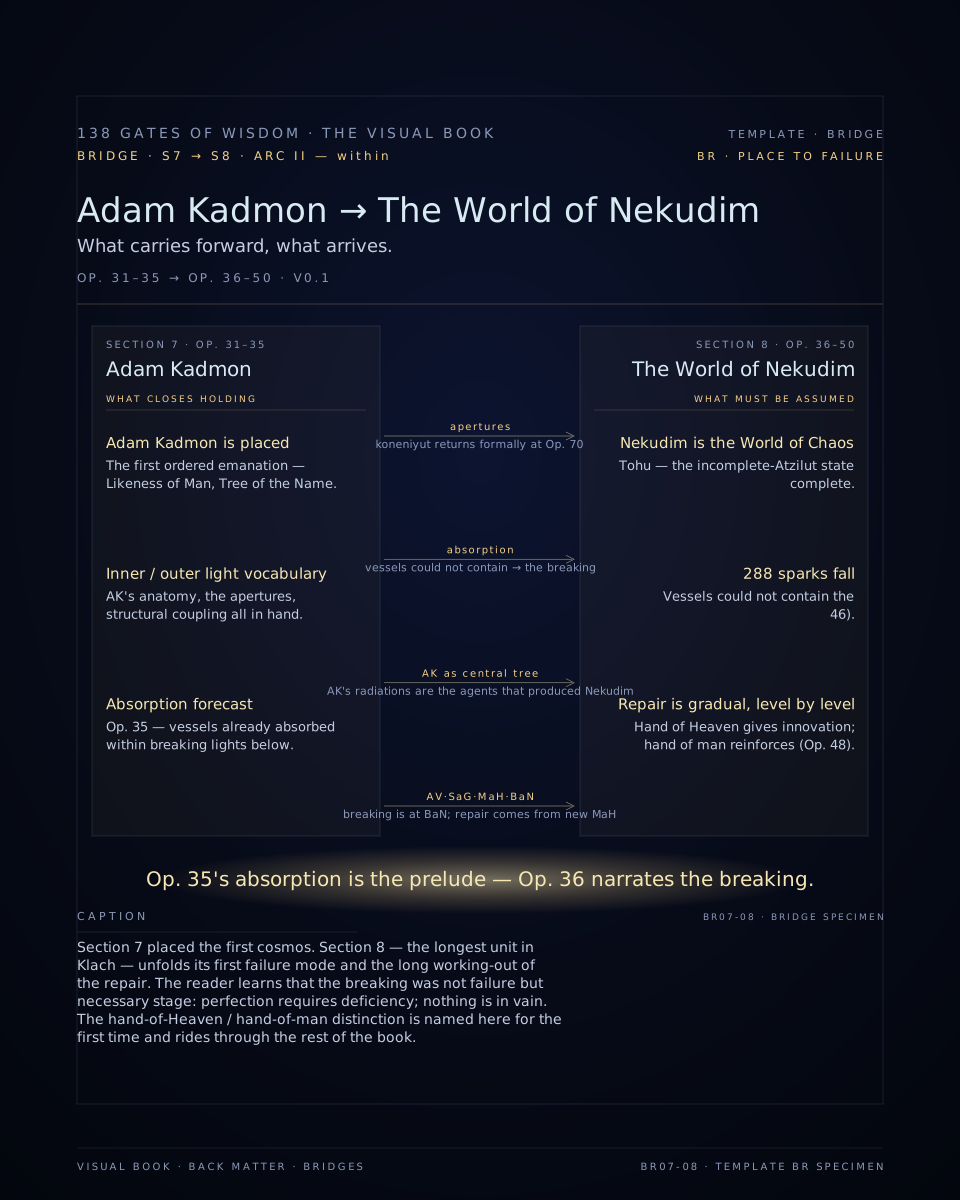
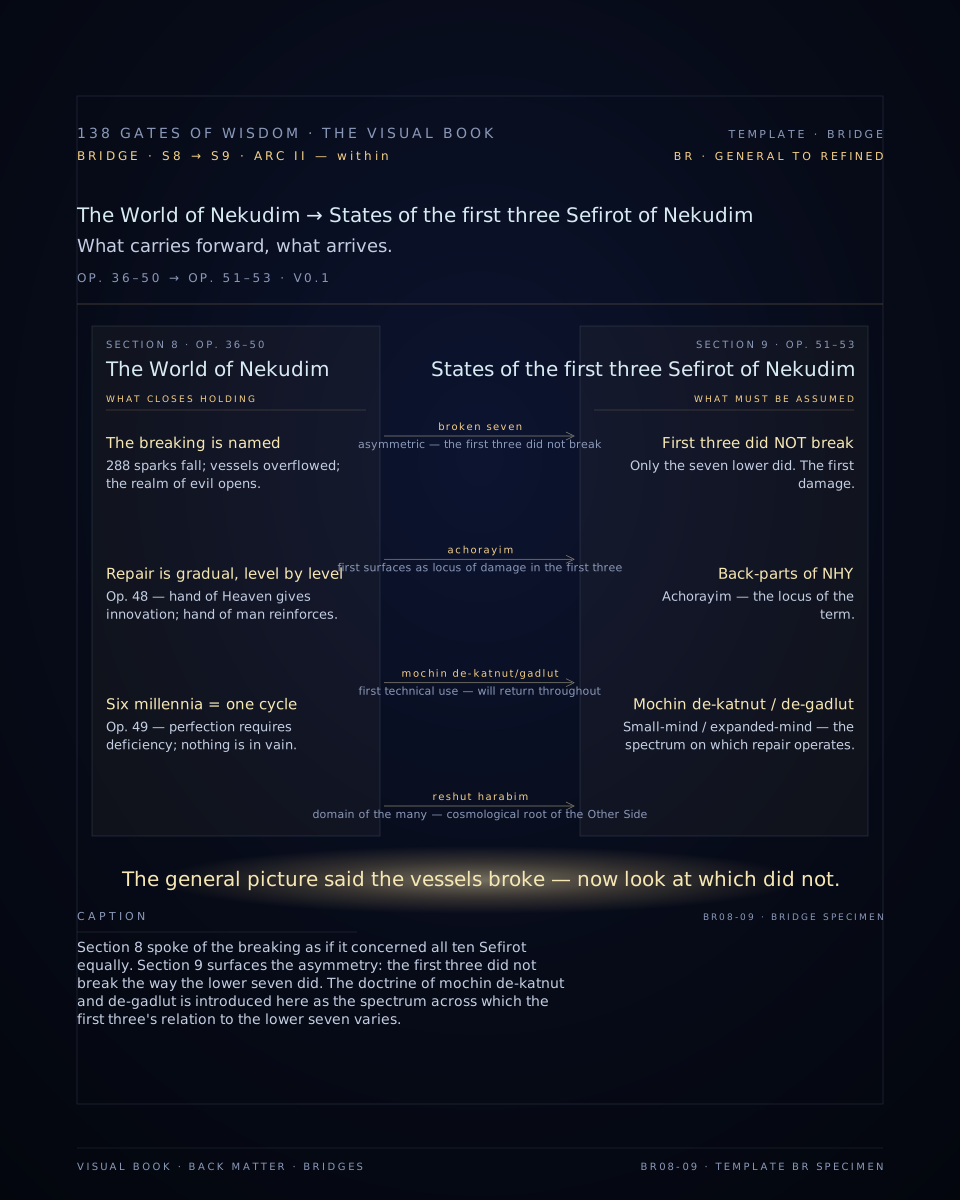
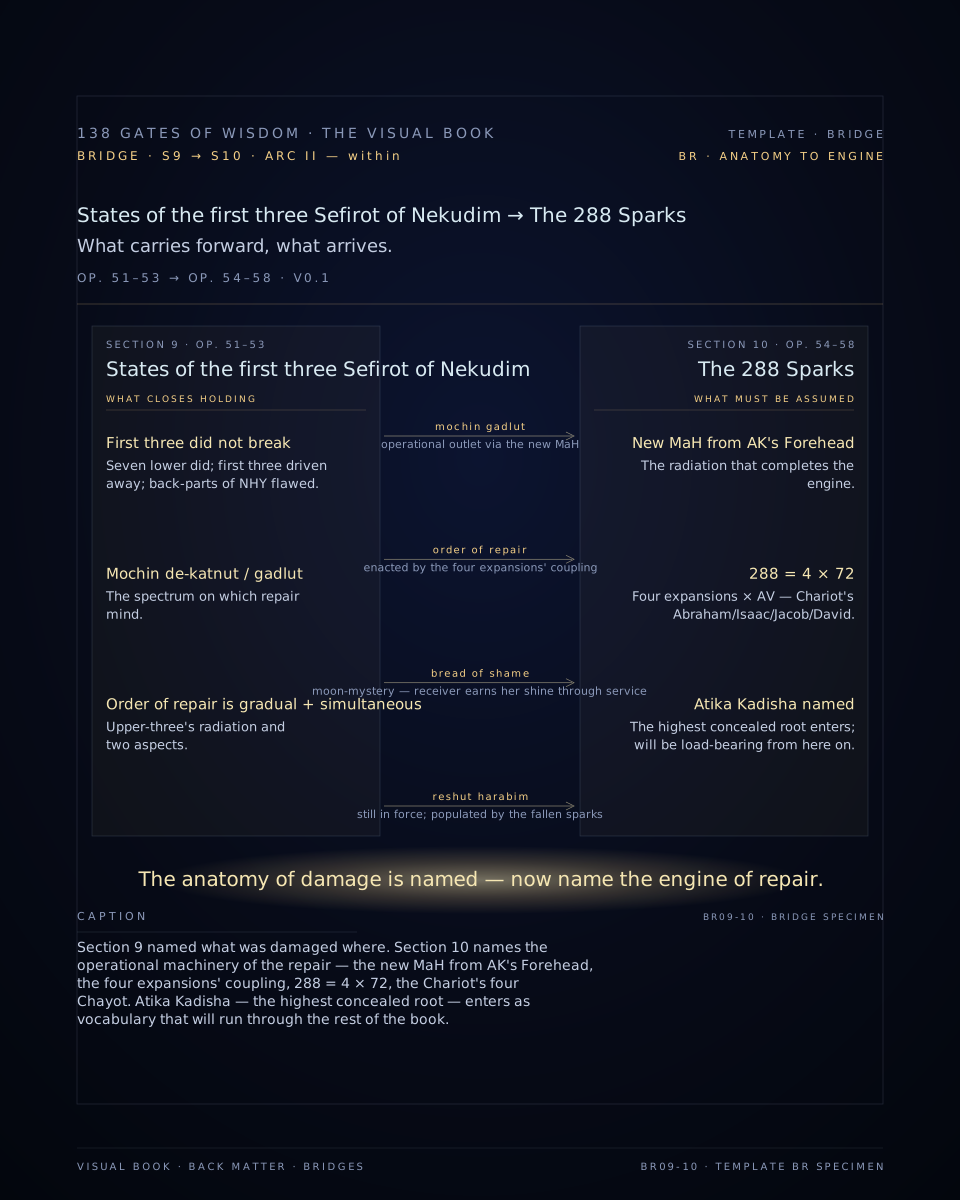
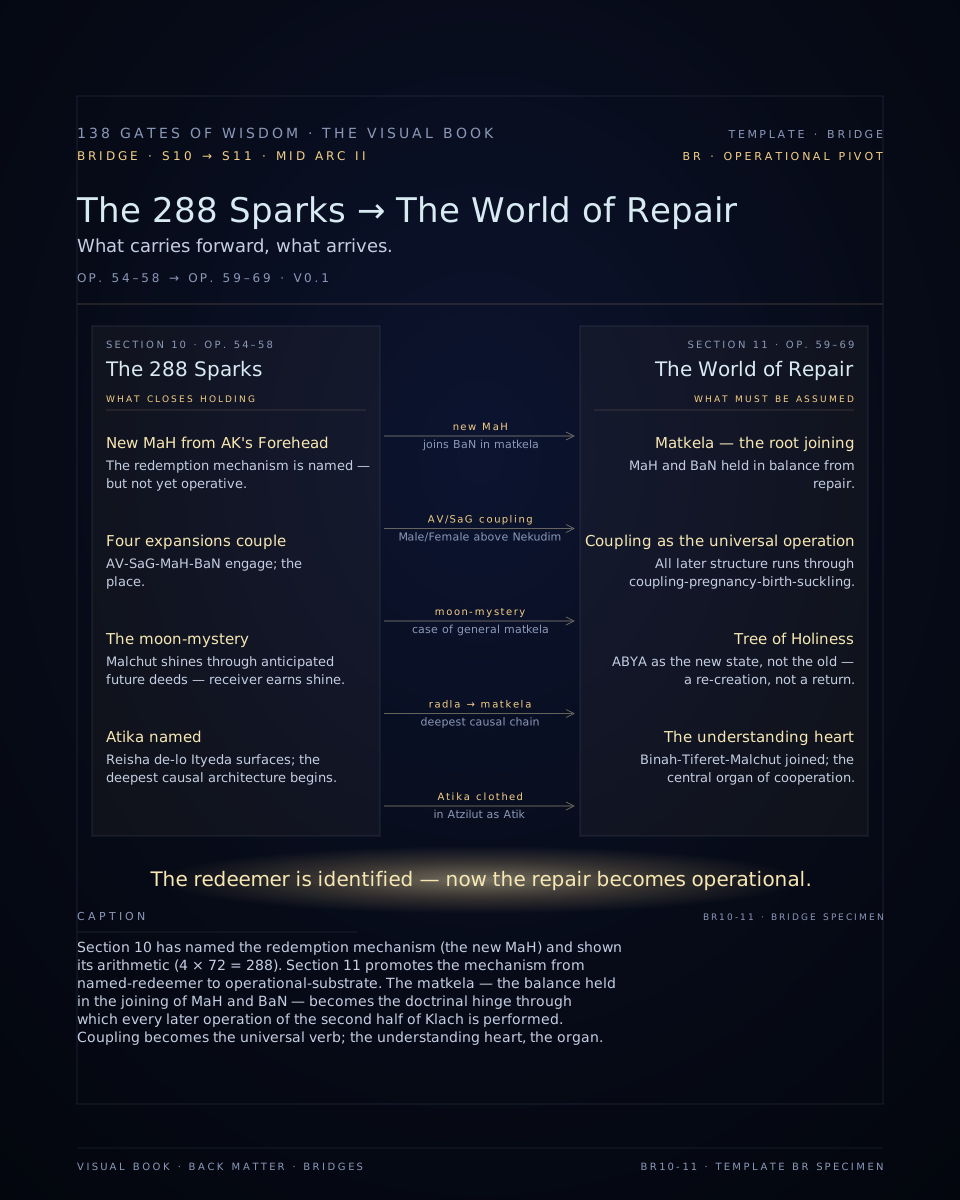
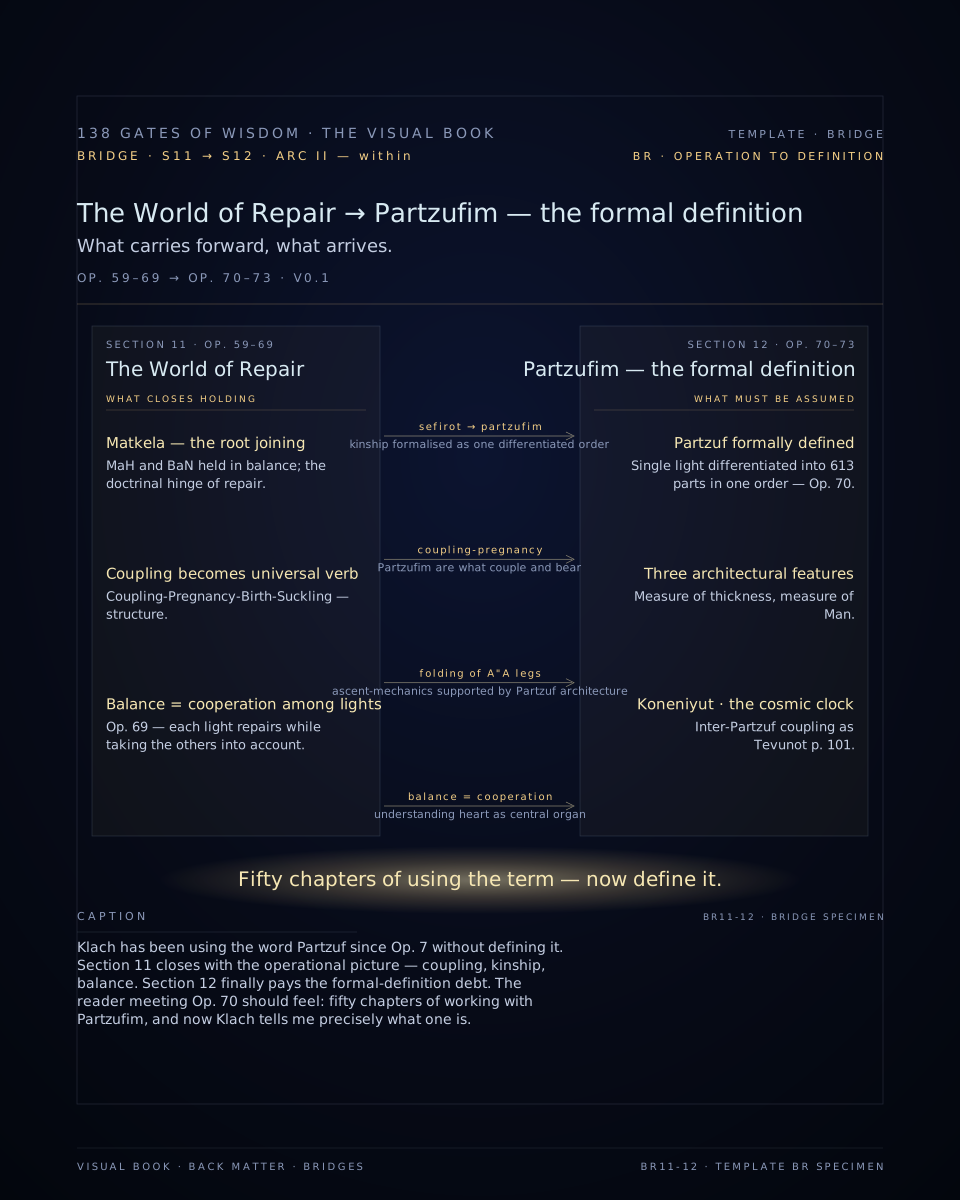
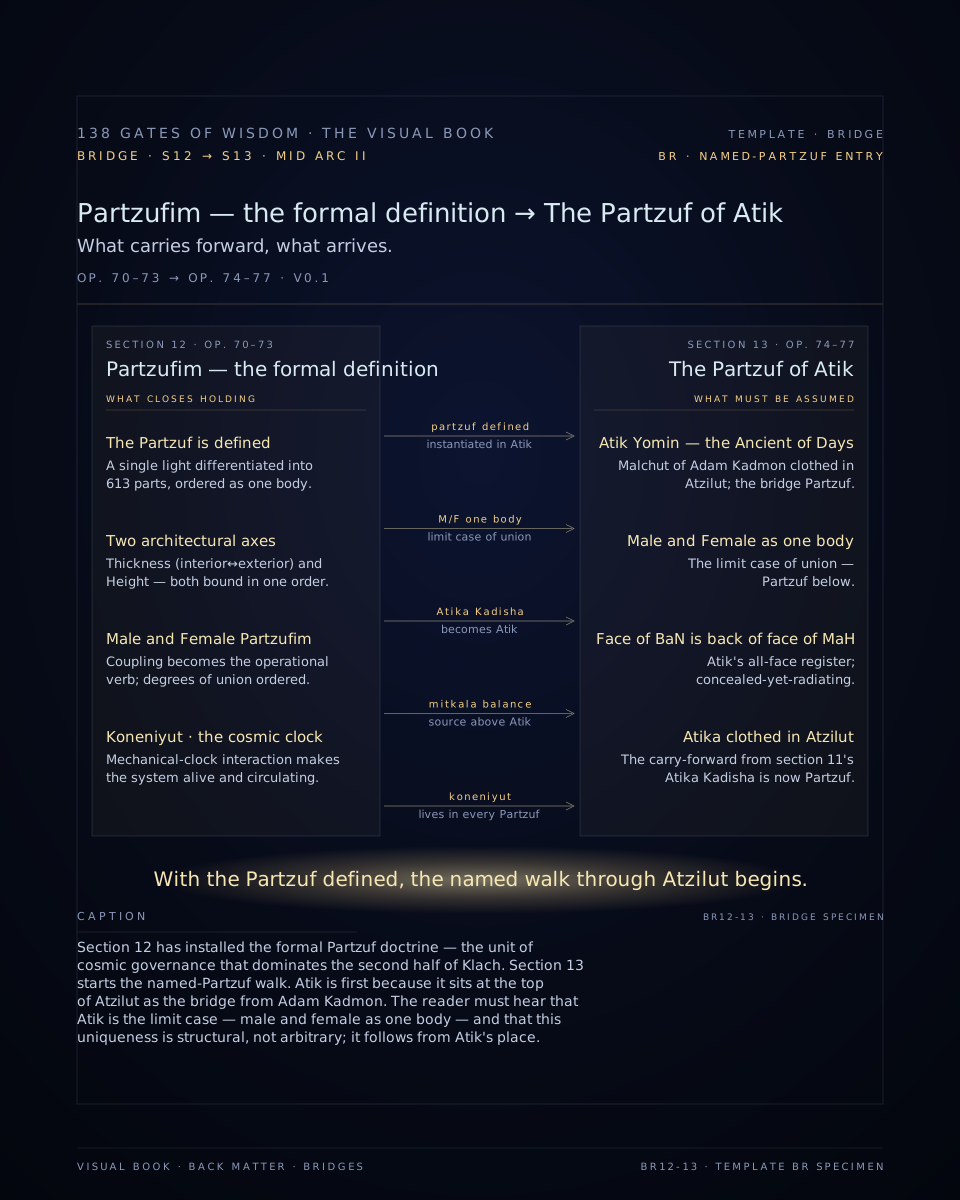
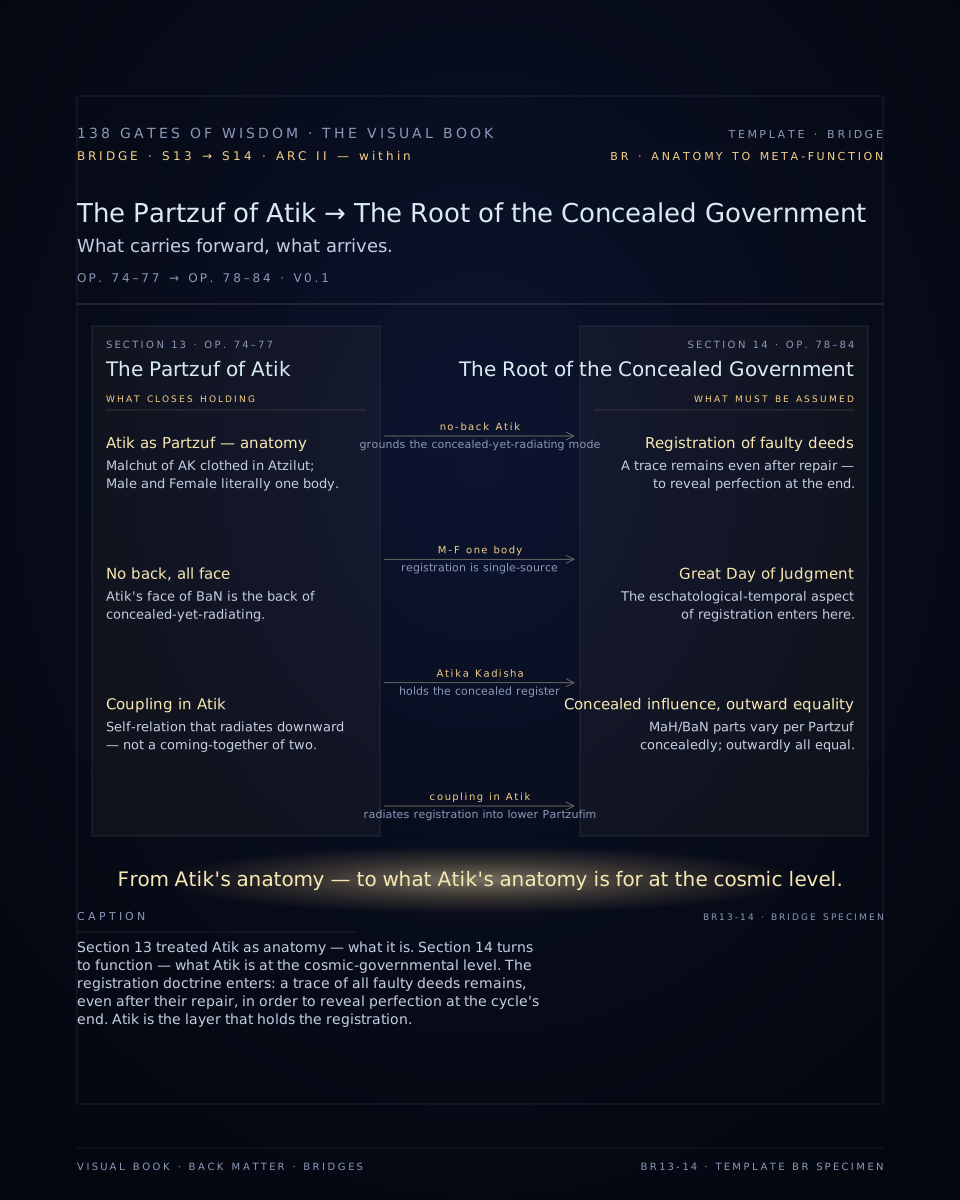
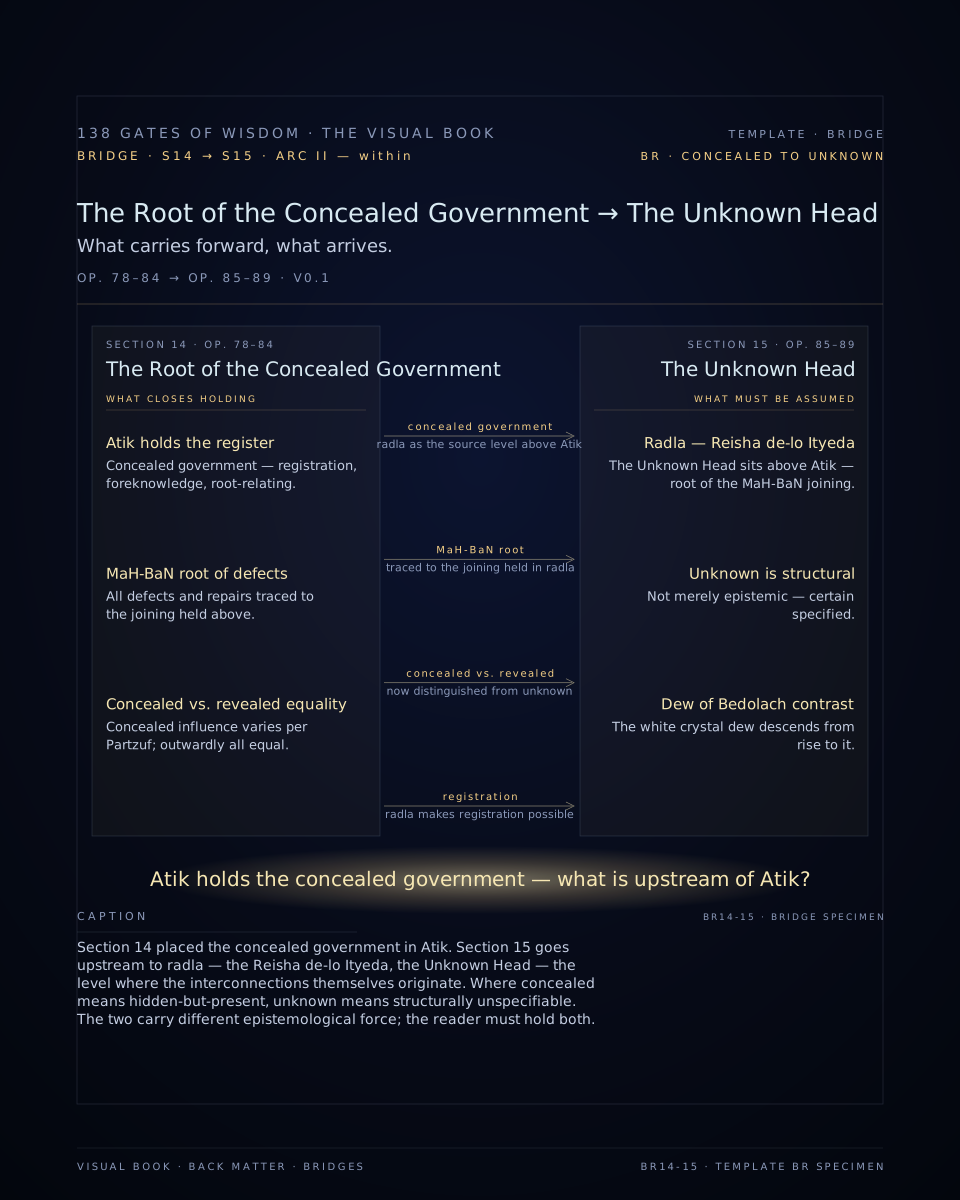
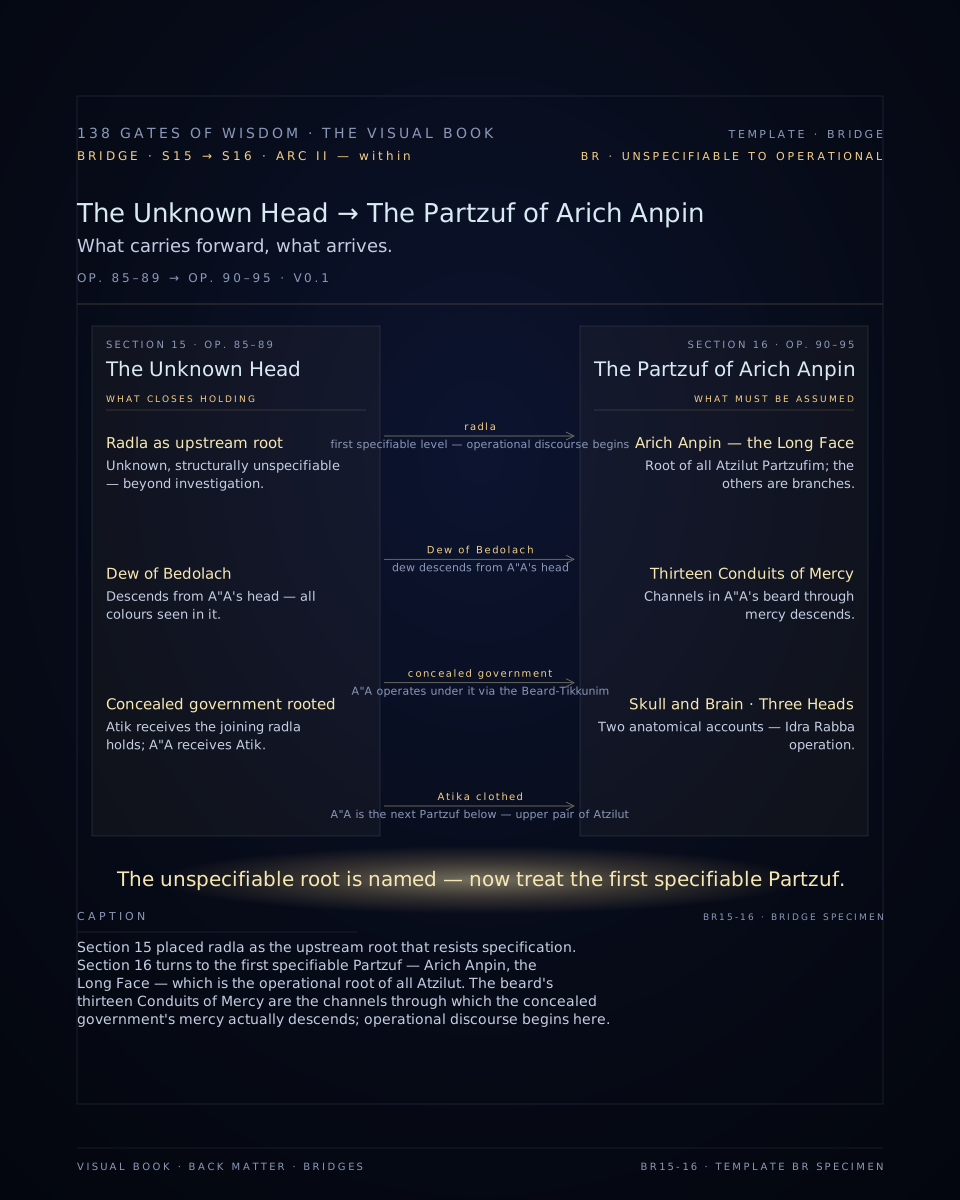
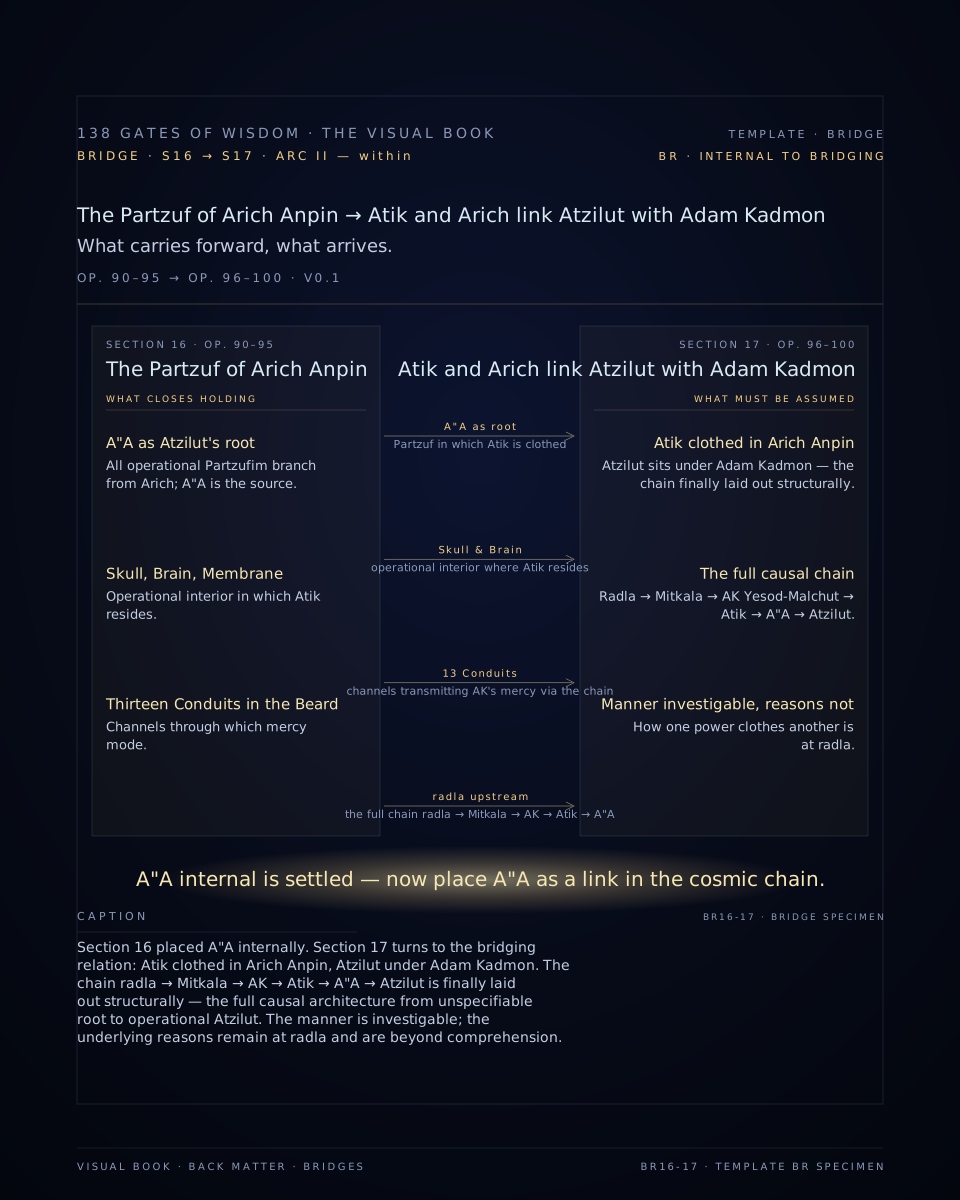
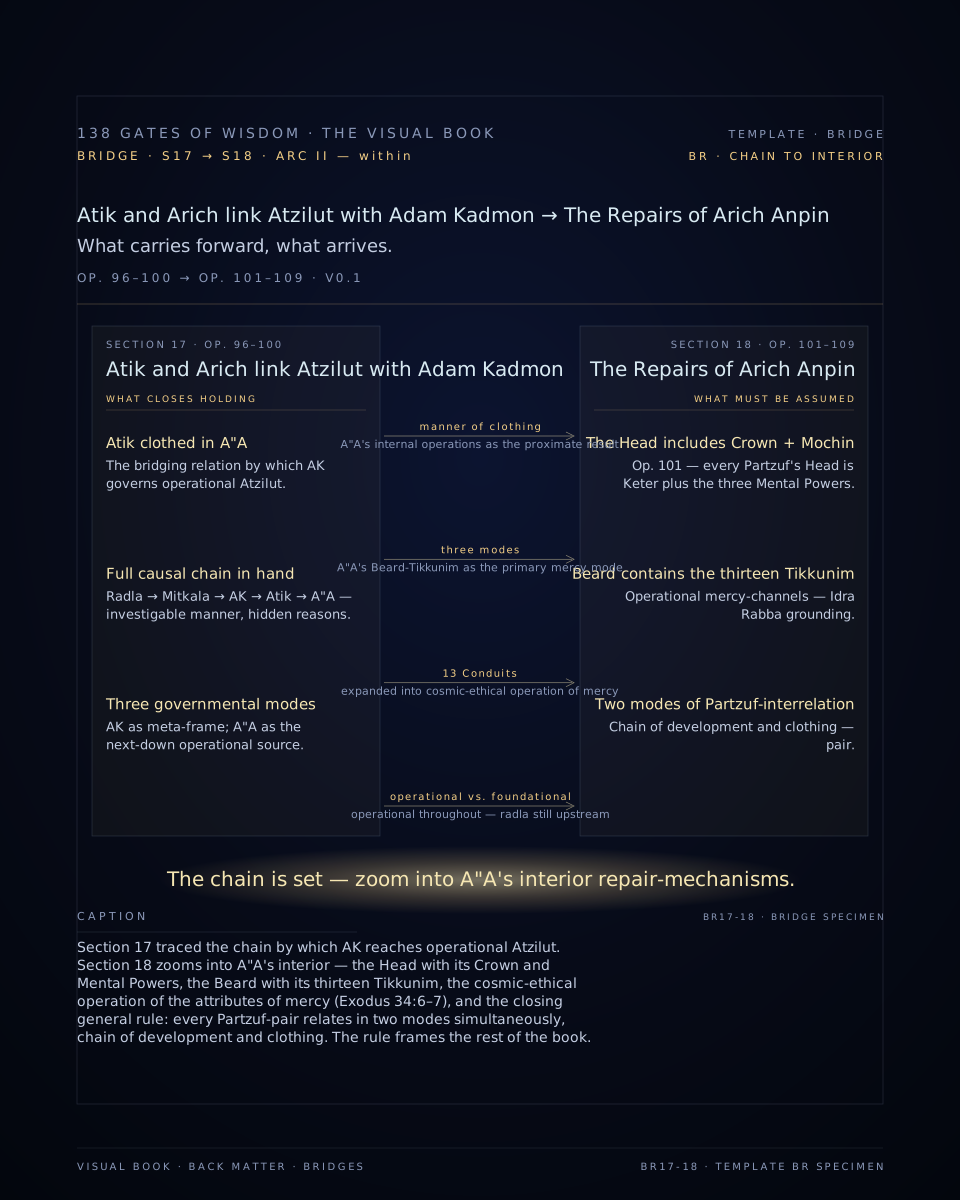
From Construction into Operation
Arich's repair-toolkit yields the parental Partzufim. Operational governance begins.
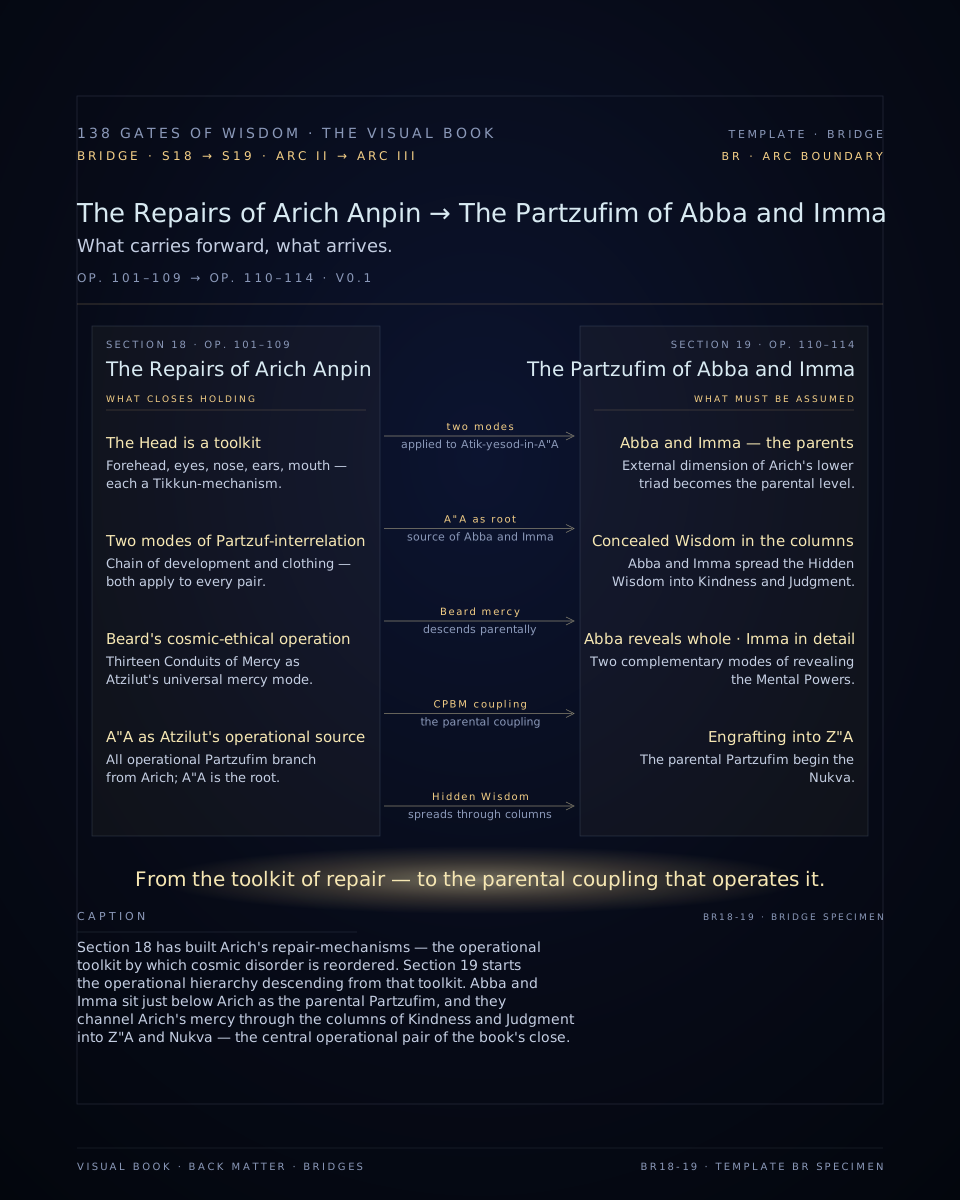
Within Operation
The closing seven transitions trace the operational descent into actual creation — children, growth-staging, Daat, the Tzelem, Nukva's separate building, the deed-independent backdrop, and the closing repair.
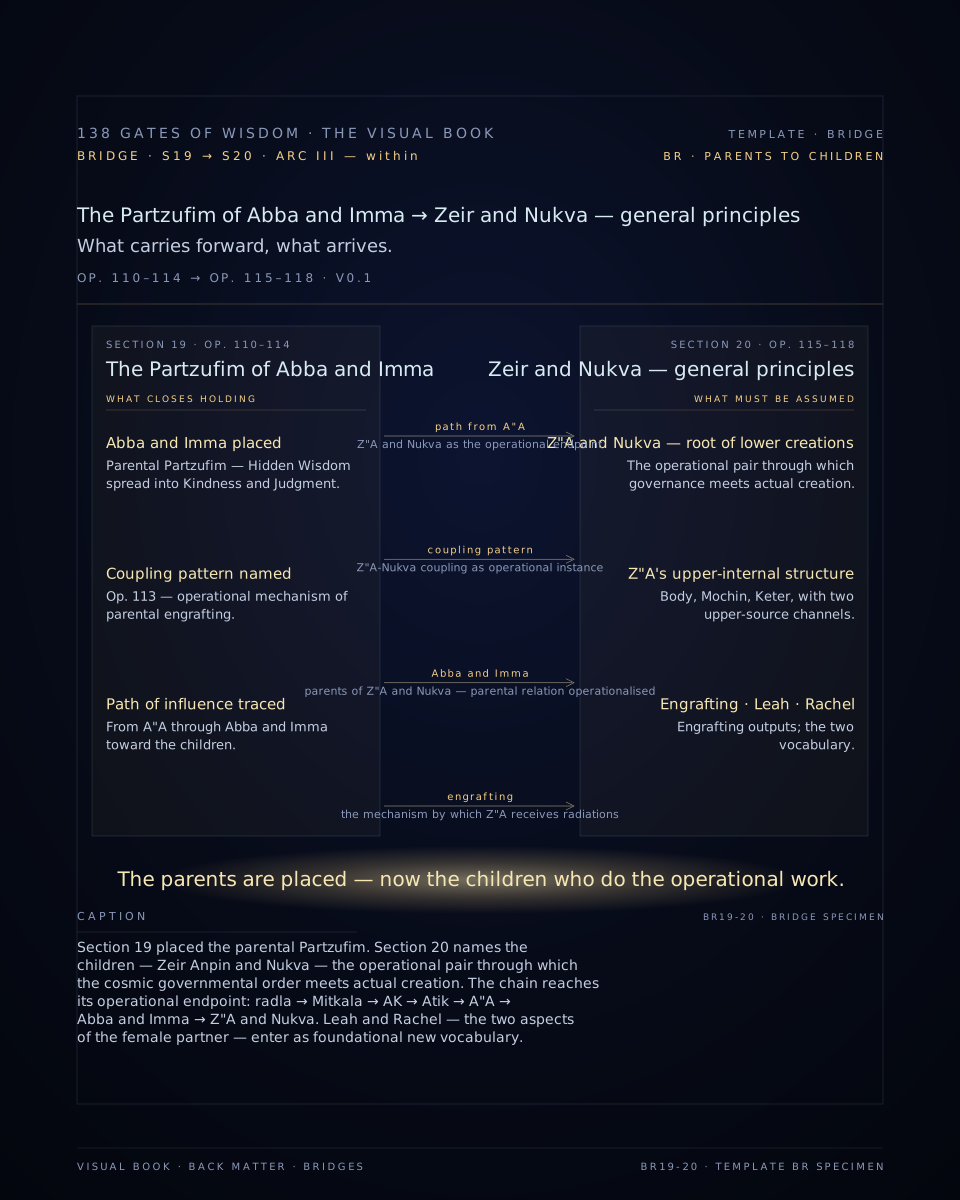
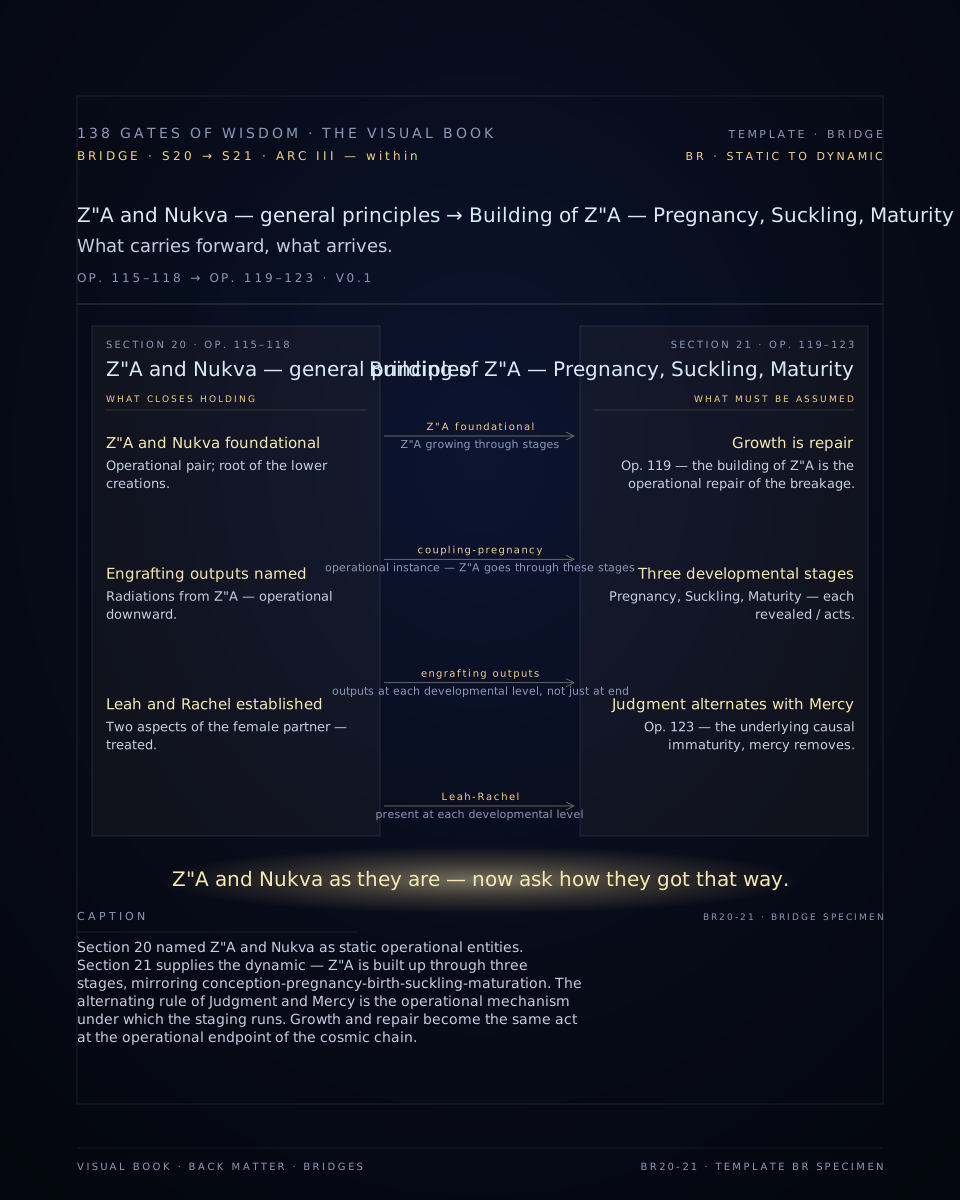
Foundational concept arcs
Twenty arcs whose first appearance is in the first arc of the book. Some — like Eyn Sof, the Creation, the Sefirot — open in the first chapter and run through the whole. Others — like Adam Kadmon, the Kav, the Reshimu — enter cosmogonically and stay as structural ground.

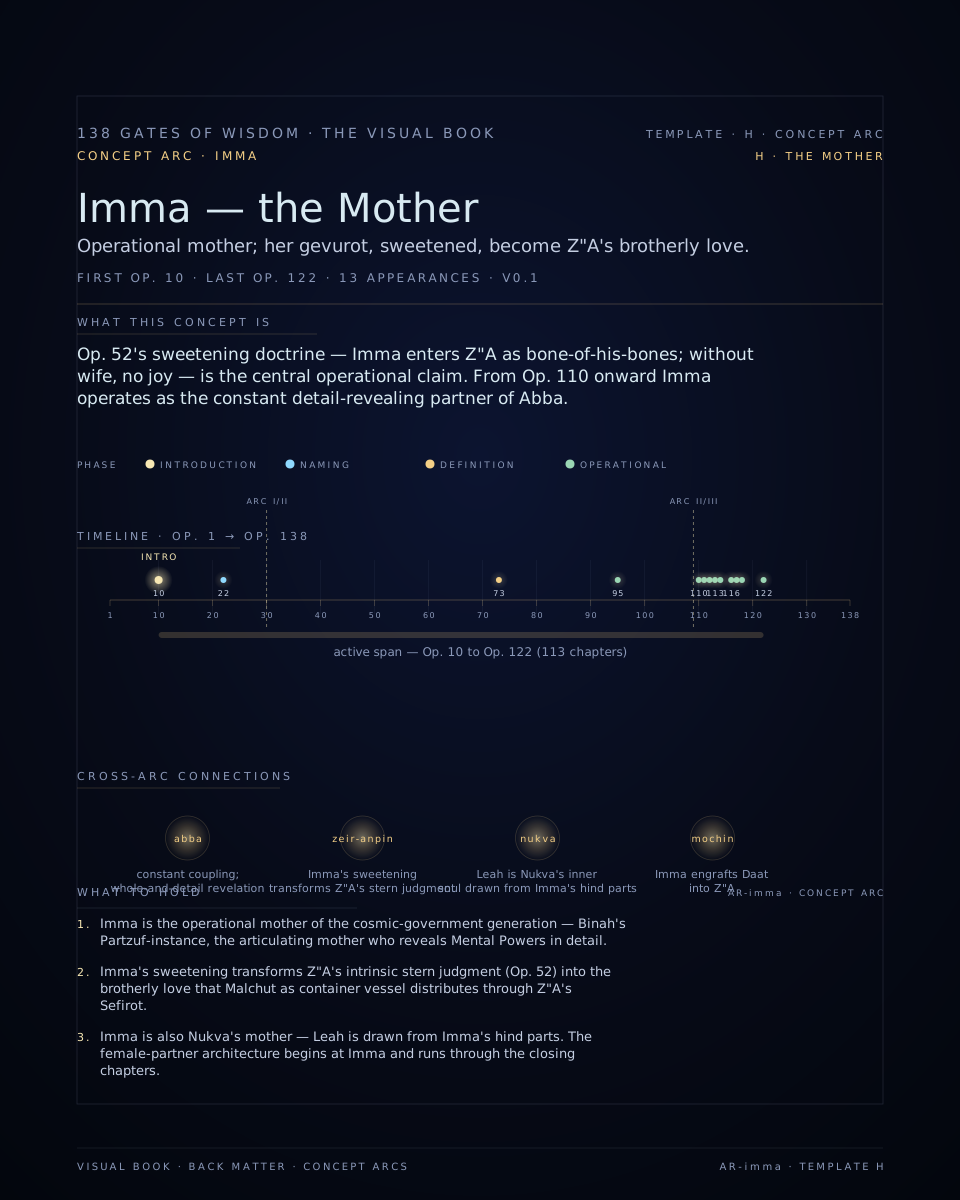
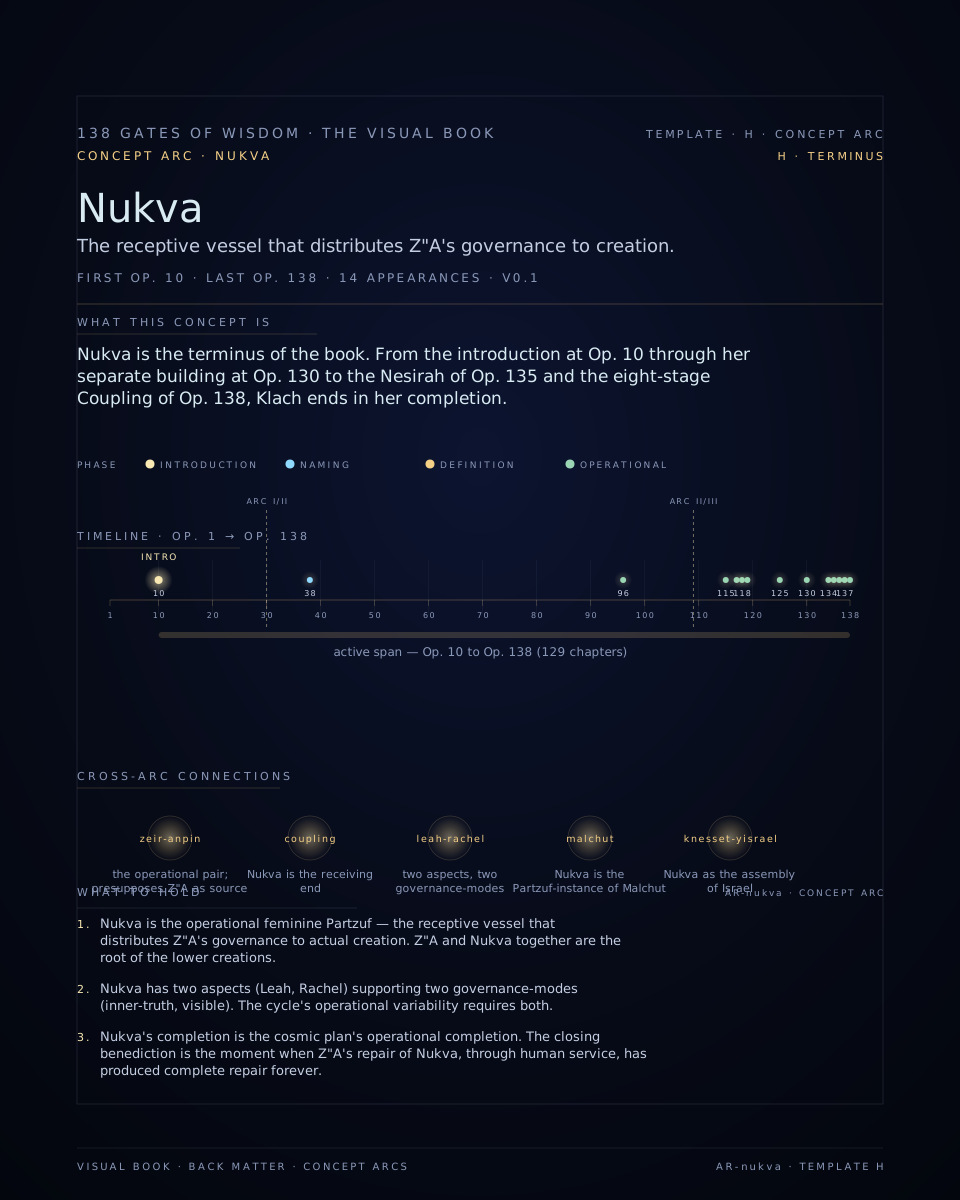
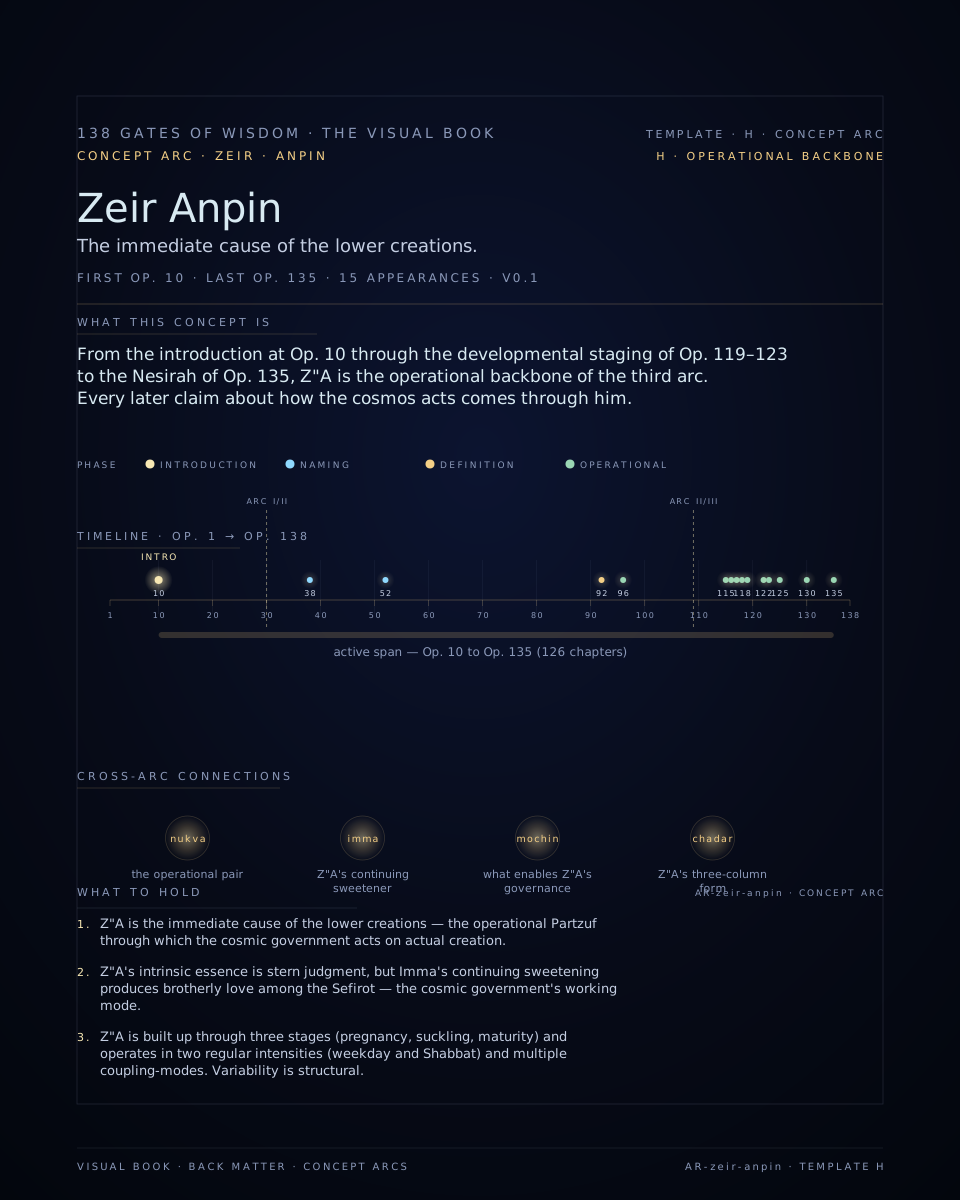
Structural concept arcs
Eleven arcs whose first appearance is in the second arc of the book. These are the operational engines and structural relations — clothing, the repair-process, the four expansions in their MaH/BaN deployment, the unique arrangement, radla as cosmic ceiling, the upper Mochin, the operational columns of CHaDaR.
Operational concept arcs
One arc emerges entirely in the closing 23 chapters: the main governmental order in Z"A and Nukva — the operational form the cosmic government takes at the level closest to actual creation.

This appendix is the detail-page of the Visual Book — the fourth layer of 138 Gates of Wisdom, a companion to Ramchal's Klach Pitchei Chochmah. The other layers (deep analyses, friendly chapters, synthesis, and the 3D Cosmic Viewer) live at 138.warmwisdompress.com.
25 bridges. 32 concept arcs. 57 plate-pairs. One key for every locked door.